

Distinguish a full schedule from a balanced client base
Having enough work today does not explain how long that work is secured or how much each contract matters to the business. Examine commitment duration, revenue concentration and occupied capacity. The need for sales continuity depends on that composition as well as the feeling of having a completely full schedule.
A company may be busy with a one-off project that ends soon. Another may have several recurring relationships but depend economically on a single contract. Both look full on the calendar while facing different sales needs for the periods that follow.
In my own experience, I have felt the pressure of depending too heavily on an important client. That dependence constrained my freedom to make decisions within the relationship. Maintaining commercial alternatives and examining the composition of the client base became valuable beyond simply wanting to sell more.
Start by identifying confirmed work, renewals that remain uncertain and projects with an expected end. Do not treat a favourable conversation as a secured contract. This distinction reveals when capacity may become available without creating an artificially comfortable forecast for the months ahead.
To prepare your next step, explore The B2B sales process.
Define what staying commercially active means
An active sales process can include following up existing contacts, learning about new needs and preparing proposals for dates compatible with operations. It does not require accepting every request immediately. Define a minimum activity you can sustain and connect each opportunity to a useful next step, an owner and a review date.
In a hypothetical example, a small service business has its team occupied for the next few weeks. It can continue speaking with potential clients to understand needs and schedules while explaining actual availability. Some opportunities will have to wait; others will require a response the company cannot provide within that timeframe.
Reserve a regular moment to review those conversations, adjusting frequency to the sales cycle and volume of enquiries. Avoid creating a routine that becomes impossible during the first busy week. Continuity depends on a responsibility that fits into normal operations rather than on occasional spare time.
Keep the record simple enough to use: known need, fit with the service, preferred timing and agreed next step. A list of names without context ages quickly. Information should help you resume a meaningful conversation without making the other person repeat everything from the beginning.
Qualify before spending capacity on proposals
When capacity is limited, qualification helps identify conversations worth developing now and those that should wait or end. Check the problem, service fit, preferred timing and conditions for a decision. An attractive opportunity still needs to be compatible with what you can deliver before it receives substantial sales attention.
Do not prepare a detailed proposal simply because somebody requested a price. First establish whether there is a need you can address and enough information to assess it. This protects sales time and reduces the risk of promising a solution before understanding the work involved.
The process of qualifying opportunities before making contact develops that discipline further. Research can help prepare questions, but available information does not replace a conversation about the specific situation. Distinguish what you know from what you still need to confirm with the potential client.
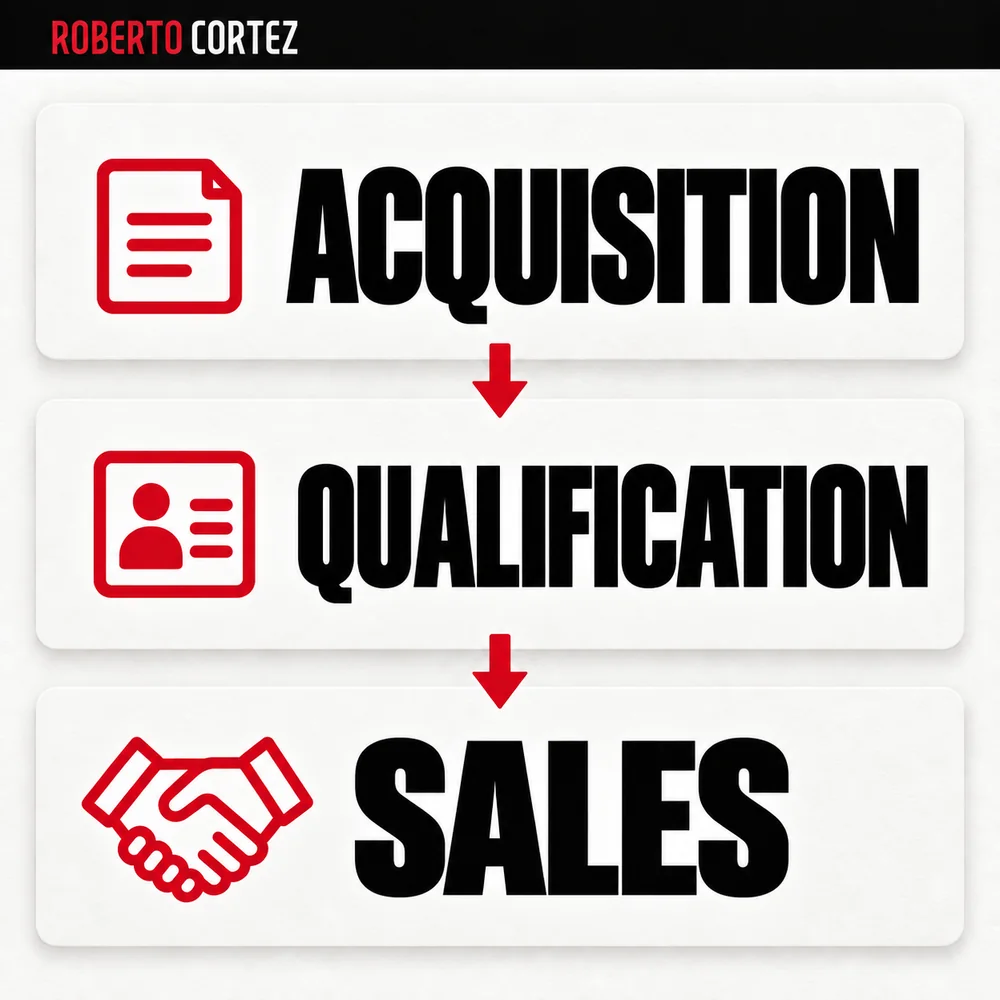
Record the reasons for declining or postponing as well. If many requests fall outside your service, communication may be creating the wrong expectation. If they are suitable but consistently arrive with incompatible urgency, the issue to address may be the timeline you present to the market.
Make proposals that fit available capacity
An opportunity should become a commitment only when there is a credible way to deliver it. Confirm availability, dependencies and conditions before stating a start date. If capacity is not yet available, communicate that clearly and agree a review without presenting a future possibility as a guaranteed reservation in the schedule.
In the hypothetical example, you could propose starting after a current project ends, provided that completion is sufficiently confirmed. If it depends on external approval, explain the condition. Do not sell a place as certain when it exists only in the most favourable version of your plan.
You may also conclude that the request should not proceed. A useful commercial relationship includes explaining that the timing or scope is incompatible with what you can reliably provide. Remaining active in sales does not oblige you to turn every conversation into a contract.
When working on selling services in a competitive market, keep clear why your offer fits the need. Avoid weakening terms indiscriminately to close a future opportunity. A demanding contract with little contribution can occupy the capacity you needed to serve the existing client base properly.
Protect relationships with current clients
Sales continuity should coexist with delivery and support for people who have already bought. Reserve capacity to meet commitments, understand needs and discuss the continuation of each relationship. If acquisition receives all the attention, you may create new departures while seeking opportunities to fill the schedule in the coming months.
Keep service conversations separate from conversations about additional work. A client should be able to resolve a difficulty without feeling that every contact is another sales attempt. When a new need appears, assess the fit and present it as a separate decision with clear scope and terms.
Working on client retention in a service business helps make relationship continuity visible. This includes understanding whether the client receives value, knows how work is progressing and still has aligned expectations. Renewal should not be assumed merely because the client has not made a complaint.
Listen for changes within the client's business too. A shift in priorities can reduce or increase the need for your service regardless of delivery quality. Learning about it earlier lets you reorganise capacity and prepare sales conversations with better information, without treating every contract as permanent.
Review real options instead of simply counting contacts
The sales review should show which opportunities have a confirmed need, an agreed next step and timing compatible with capacity. Also monitor contracts that may end and concentration within the client base. The purpose is to understand whether useful future options exist, rather than accumulate names that appear to promise revenue.
An opportunity that has received no response for a long time should not carry the same weight as an active conversation. Update its status and stop following up when interest has ended or the person asks you to stop. A realistic pipeline is more useful for planning than an extensive list of old possibilities.
Compare sales effort with the work that may arrive and the time needed to prepare for it. If decisions take a long time, stopping activity completely can leave a difficult gap when capacity appears. If the cycle is short and operations are full, the routine may focus on qualification and clear responses.
I would aim to answer two questions together: what can I deliver well, and which relationships am I preparing for the following period? Keeping those answers current helps reduce urgency in decision-making. The sales process remains active at an intensity that respects the business's capacity and existing commitments.