
In Sextas Ímpares #131, I did a live demo using Apify, n8n and AI models to gather and organize information about companies. The part I want to dig into here is the selection process: how to decide where it's worth putting sales effort and where it isn't.
Explain what you're looking for in a company before you collect any data
Before choosing any tool, define the business profile you can genuinely serve. Consider criteria like industry, location or type of service offered. Which factors matter depends entirely on what you're selling and what you can realistically deliver, so clarify this profile first before gathering data.
Separate what's mandatory from what's just a signal of interest. A company being in the right region might be a necessary condition, but it tells you very little about how likely it is to buy your service. For example, imagine you're looking for psychology practices in Portugal: location is mandatory, but having more or fewer Instagram followers is just a secondary indicator.
In the demo, I compared different information sources and search results. Searching "clínica dentária" on Google Maps brought back almost exclusively Portuguese results. Searching "consultório de psicologia" on Instagram, on the other hand, brought back mostly pages from Brazil, with no indication of an address in Portugal at all. That difference showed me that the quality of a source isn't fixed, it depends heavily on the keyword and the platform you're using.
A source can be excellent for one type of business and terrible for another, even within the same exercise. Define clearly what information you actually need and confirm you can get it with sufficient quality before spending time or budget on large extractions. If you're building a broader commercial system, it's also worth reading the article on using AI in your business beyond chatbot questions.
To prepare your next step, explore Sales automation with AI.
Use scoring to answer one specific question
So-called lead scoring means assigning a rating to an opportunity based on criteria you define yourself, not on something objective that AI discovers on its own. In the episode, I showed how I give instructions to return a score from 1 to 10 on the likelihood that a contact is based in Portugal.
That scale is just an operational choice within the automation flow, nothing more. It doesn't turn the assessment into an objective fact, and it doesn't automatically measure someone's likelihood of buying. Restricting the response format to a whole number, with no explanations or decimals, is what lets you sort the spreadsheet afterward without extra manual work.
For example, you might only score a company's geographic fit: in that case, the score answers just that one specific question. To assess whether that company is genuinely a good commercial opportunity, you need other elements, and often an actual conversation with someone from that company.
Write carefully the question you want answered and the signals the system should consider. Also define how to handle missing information, because that happens often. It's better to have a record flagged for manual review than to get a conclusion built on assumptions the AI made up.
Test the automation on a sample before running the whole process
Running an automation flow across hundreds of rows without testing first causes cascading errors and wastes API credits unnecessarily. In the live demo I made exactly that mistake: I ran the agent over more than a hundred rows without first confirming the final column mapping in n8n, which forced me to redo the work and lose time.
Before running an entire database, always do these steps:
- Isolate a test record: duplicate the sheet and leave just one row with complete data.
- Check the column mapping: confirm fields like name, address and bio reach the AI node without missing values.
- Run the isolated node: look at the output before letting it write anywhere.
- Confirm the final write: verify the update happens on the right row, based on a unique identifier like a username.
- Scale up in batches: process small batches at a time, filtering only rows that haven't been classified yet.
Test a small batch first and open up the results. Confirm that the fields come through complete, that the criteria were respected, and how much the run cost. Fix whatever you find before increasing the volume; it's easier to investigate ten records than an entire list that's been badly classified.
Prepare outreach that relies only on data you can confirm
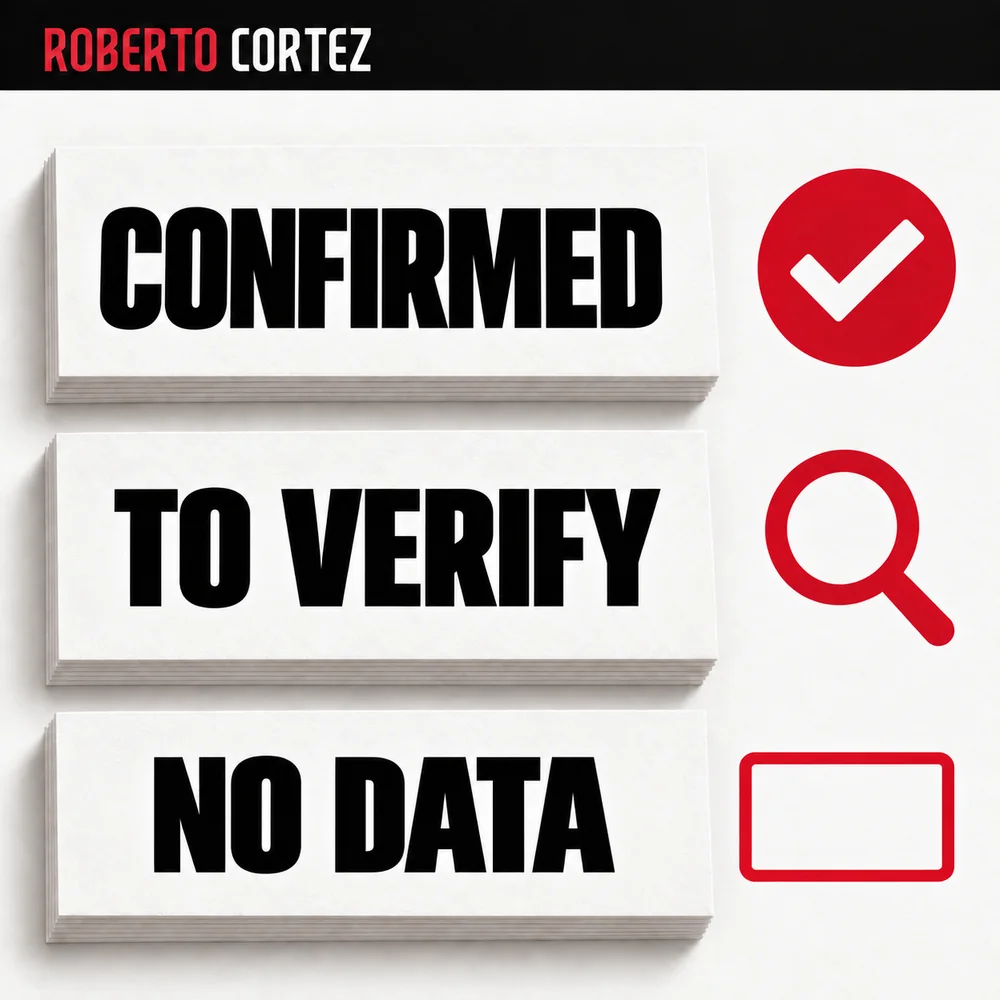
An AI-generated sales approach only has value when it's grounded in verifiable facts present in the extraction, such as the number of Google reviews, the average rating, or the company's locality. Inventing vague compliments or assuming internal problems that the data doesn't actually show destroys the credibility of that first contact.
In the segment on personalizing the sales approach, I built a hypothetical example of an Instagram message based solely on the available fields: business name, city, number of reviews and average rating. For a fictional practice with lots of reviews and a high rating, the message could highlight that consistency. For another one with a lower rating, the tone would need to be different, without inventing praise the numbers don't support.
Always avoid automated bulk sending without human review. AI-generated messages should be read by a person before going out, to confirm there are no formatting errors, made-up claims about the company, or a tone that doesn't fit the industry in question.
Keep the context organized when you hand the opportunity to the team
Handing the sales team just raw names and contacts creates frustration and usually lowers conversion, because each salesperson wastes time investigating the contact from scratch. The spreadsheet or CRM should show not just the contact, but also why that company was selected in the first place.
I created direct shortcuts to open the Instagram conversation (like ig.me/m/username), saving the clicks of opening the profile and hunting for the message box. For the handoff to actually work, the team needs access to at least:
- AI classification: the number assigned and the criterion behind it.
- Validation data: confirmed locality, active website, preferred contact channel.
- Suggested message: the generated text, already reviewed by someone before being sent.
- Interaction status: whether the company replied, declined, or moved into conversation.
Always keep the information that backs up the assessment, along with its source. Whoever receives the opportunity should be able to understand, in seconds, why it was selected over any other. To go deeper into what happens after this first contact, it's worth reading the article on building a lead funnel your sales team can actually work.
Automation helps save repetitive work and organize available information better before the first contact. That doesn't mean the sale closes more easily automatically, that still depends on the conversation that follows and on tracking the errors your selection criteria reveal over time. If you want to learn how to build processes like this with more hands-on support, check out my training and mentoring offer in AI and online business.