
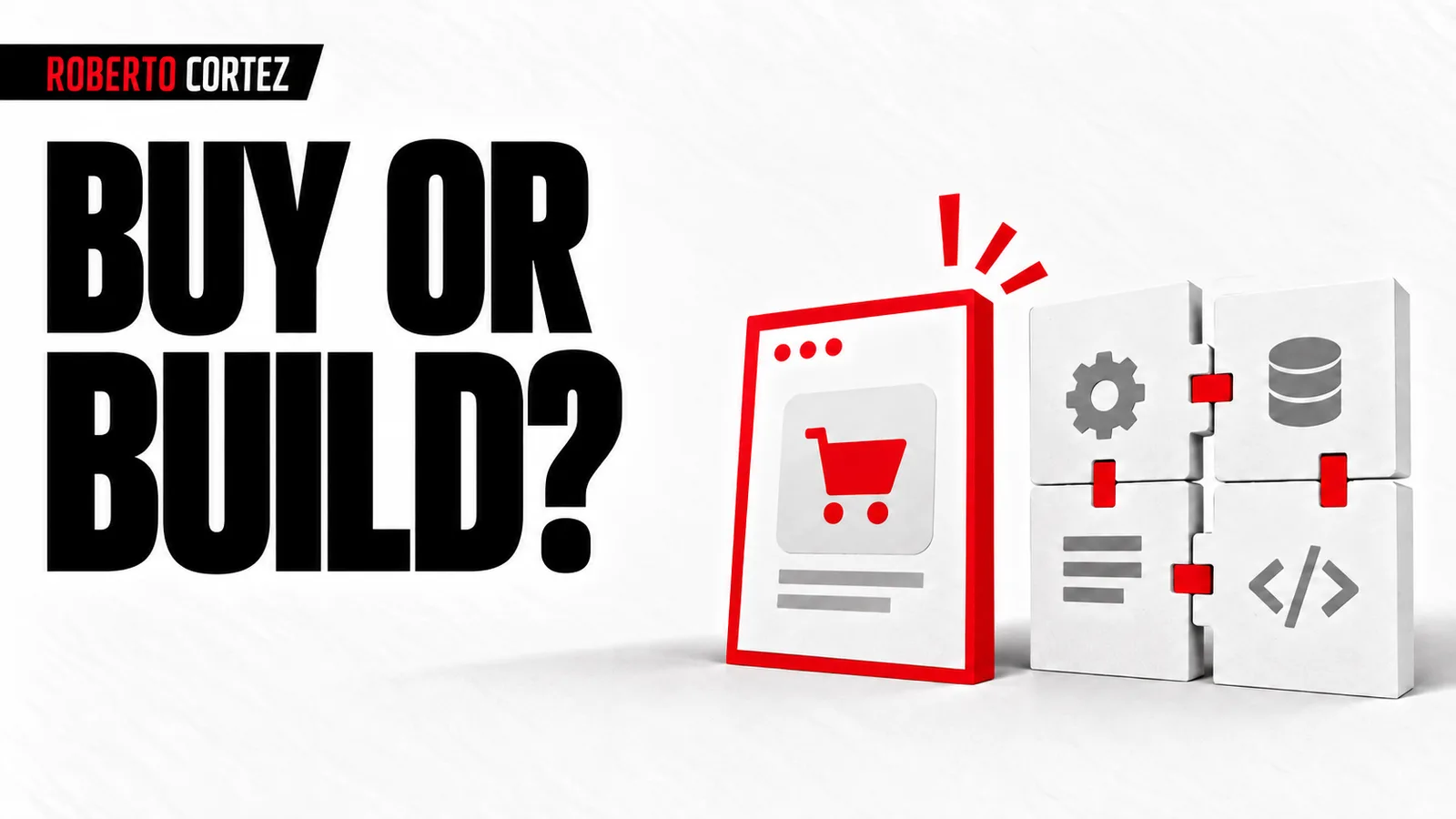
The ability to create applications with AI assistance has changed the options available to a small business. A task that once waited for a development budget can now be explored through a prototype. That makes it possible to test an idea sooner, while leaving the work required to turn that prototype into a tool other people can depend on.
When I look at this decision, I start with the work the business needs to do. A form, a customer tracking area and a request management system can look like similar projects on a screen. Their requirements for access, integration, availability and accuracy may be completely different.
Start with the process that needs to work
Describe the task, who performs it, how often it happens and what must be true for the result to be correct. That description lets you compare purchased software with a custom application against the same need. Without it, the comparison easily becomes dominated by feature lists or enthusiasm about the technology.
Imagine a business receiving requests by email and distributing them between three people. The work includes understanding the subject, identifying who can respond, tracking the deadline and confirming that the customer received a response. Before deciding to build, establish where time is being lost: classification, assignment or follow-up.
An existing tool might handle follow-up while still requiring manual classification. A custom application might classify requests well but provide no way to recover a lost request. Comparing only the most visible part would give an incomplete picture of both options and could hide a significant operational weakness.
That is why using AI in business beyond the chatbot requires looking at inputs, decisions and consequences. Write down the current process and the expected result before deciding where AI should participate.
To prepare your next step, explore Building digital products with AI.
When buying software remains a good decision
Buying generally makes sense when the process is common, the solution covers the important requirements and there is a clear way for the team to use it. Assess support, data export and integrations too. Part of what you are buying is work the supplier handles that you would otherwise need to organise internally.
Consider the launch of a tool used by several people. Accounts need to be created, access restricted, data imported and questions answered. An application that already handles these tasks well may justify its price even if it also includes features you will never use.
Try the complete process with a representative case before committing to a long subscription. Enter a request, assign it to another person, correct a mistake and export the result. A sales demonstration may show the smoothest route; your test should include what happens when someone makes an error.
Some differences are acceptable without affecting the quality of the work. If a field has a different name, updating the documentation may be enough. If the tool forces the team to duplicate every request in an external spreadsheet, that workaround deserves a place in the cost comparison.
When an internal tool deserves the development effort
Building deserves consideration when the requirement is sufficiently specific, occurs frequently and forces laborious workarounds in the available products. The team must be able to explain the rules and assess the output. Someone also needs to take responsibility for the application after the first prototype starts working in a useful way.
One advantage of custom development is being able to fit the tool around the way the business works. That can matter when the process differentiates delivery or when existing products consistently leave an important part unresolved. The advantage should be identifiable in the actual work people need to perform.
In a hypothetical example, a team prepares reports by combining data from three systems with internal comments. If the final report follows its own rules, a small application that prepares it may be more useful than replacing every system. The scope stays limited, and the tools that already work continue to serve their purpose.
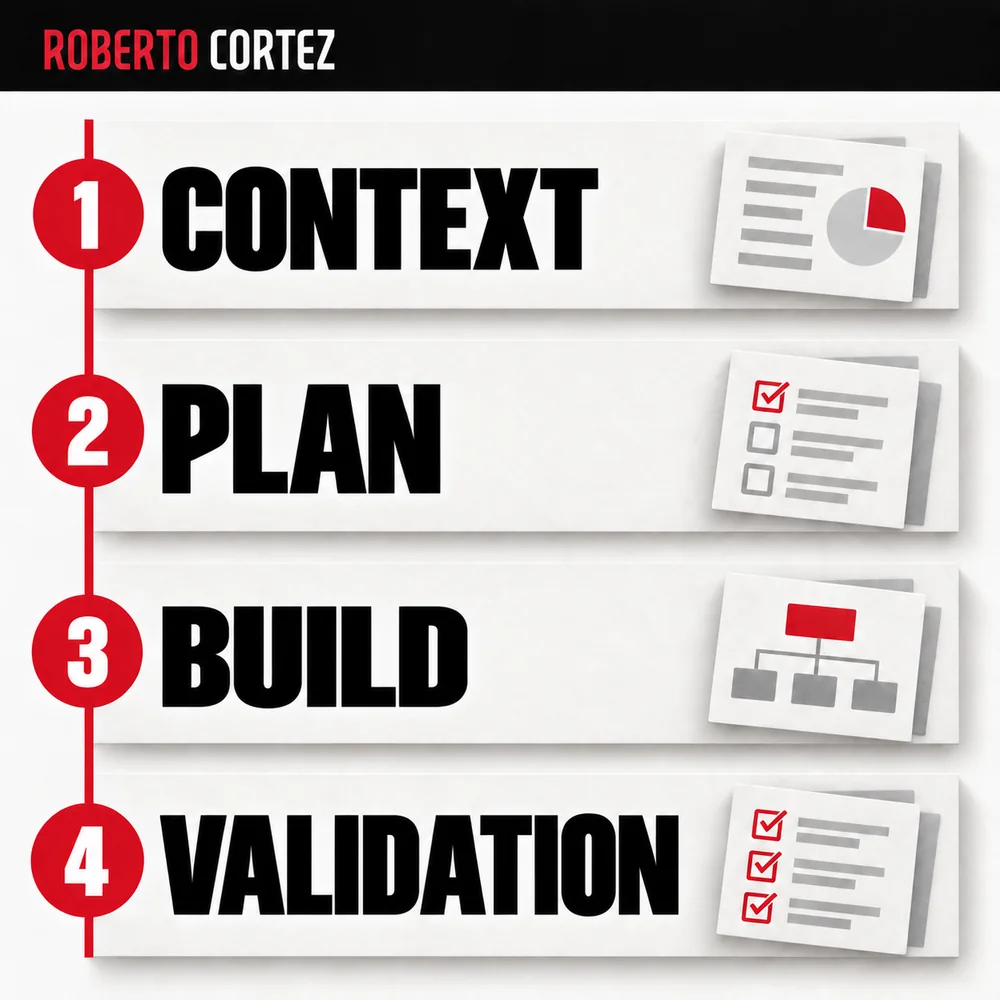
Before proceeding, plan the application and its validation criteria. Define what goes in, what comes out, who can see each piece of information and how an incorrect result will be recognised. Development becomes easier to evaluate when these decisions have already been written down.
Compare the cost of using each option over time
Compare both options over the same period and for the same workload. Include subscriptions, configuration, development, hosting, review, support and foreseeable changes. Record the team's time as well. A custom application may have a low monthly bill while still requiring considerable attention from the person responsible for maintaining it over time.
As AI use grows within a team, plan limits and capacity requirements become part of the decision. A short individual experiment may not represent daily use by several people. Measure consumption in the context in which the tool will actually operate, including busy periods and repeated attempts to obtain a usable output.
You can organise the comparison into three groups: initial cost, recurring cost and switching cost. The first covers preparation and implementation; the second covers use and supervision; the third covers exporting data and moving to another solution. Keep estimates visible and separate from figures you already know.
If the tool uses an AI model, include the effort required to check its responses. Choosing a model for a business task can affect both consumption and the amount of correction. The cost per use only becomes meaningful when you know which results can actually be used.
Decide who maintains the tool and how to leave it
Before depending on an internal application, identify who receives errors, reviews access, handles changes and recovers information when necessary. Define how to export the data and continue working if the tool becomes unavailable. These answers help establish whether the business can take responsibility for operating it throughout its useful life.
The person who built the prototype may know details that nobody else knows. That knowledge needs to become usable instructions: where the data lives, how to confirm a completed operation and who to contact for help. An internal tool should remain understandable when its creator is unavailable or leaves the project.
Test export and recovery with test data before you need them. Seeing a button labelled export does not prove that all the required information will be included. Check the fields, the relationships between records and whether the exported file can actually be used outside the application.
The same criterion applies when buying software. If leaving requires a request to the supplier, record that procedure and its known conditions. The more important the process is to the business, the more useful it becomes to understand that dependency before committing to the product.
Use the prototype to make a specific decision
A prototype should answer a limited question: does this approach complete the task with acceptable quality and effort? Choose representative examples, define what you will measure and set a review date. Then decide whether to continue, reduce the scope or buy an existing solution, using what you actually observed during the test.
For the request assignment example, the test might compare the suggested classification with the decision the team would have made. It can then check whether the assigned person received the request and whether the status was updated. The test needs to cover the whole process, including the steps after the first AI response.
Record the work that emerges around the prototype too. If every category change requires a lengthy intervention, that is part of the cost of continuing. If the team can handle exceptions using simple instructions, that capability should also be included in the assessment rather than remaining an informal assumption.
The decision may result in a combination: buying the foundation and building only the specific part. The criterion I try to maintain is which option leaves the process better served, with clear responsibilities and an effort the business can sustain. That comparison turns an interesting demonstration into a business decision the team can explain and revisit.