
Having many products for sale does not mean giving all of them the same advertising investment. Each product choice may require a message, images, a page and attention to results. Multiplying those needs without the resources to follow them can leave you with many campaigns and few conclusions.
I would start by defining what I need to discover. Finding out whether a category can attract new buyers differs from seeking more volume for a product that already sells. That question guides the selection and prevents choosing items simply because they have not yet been advertised.
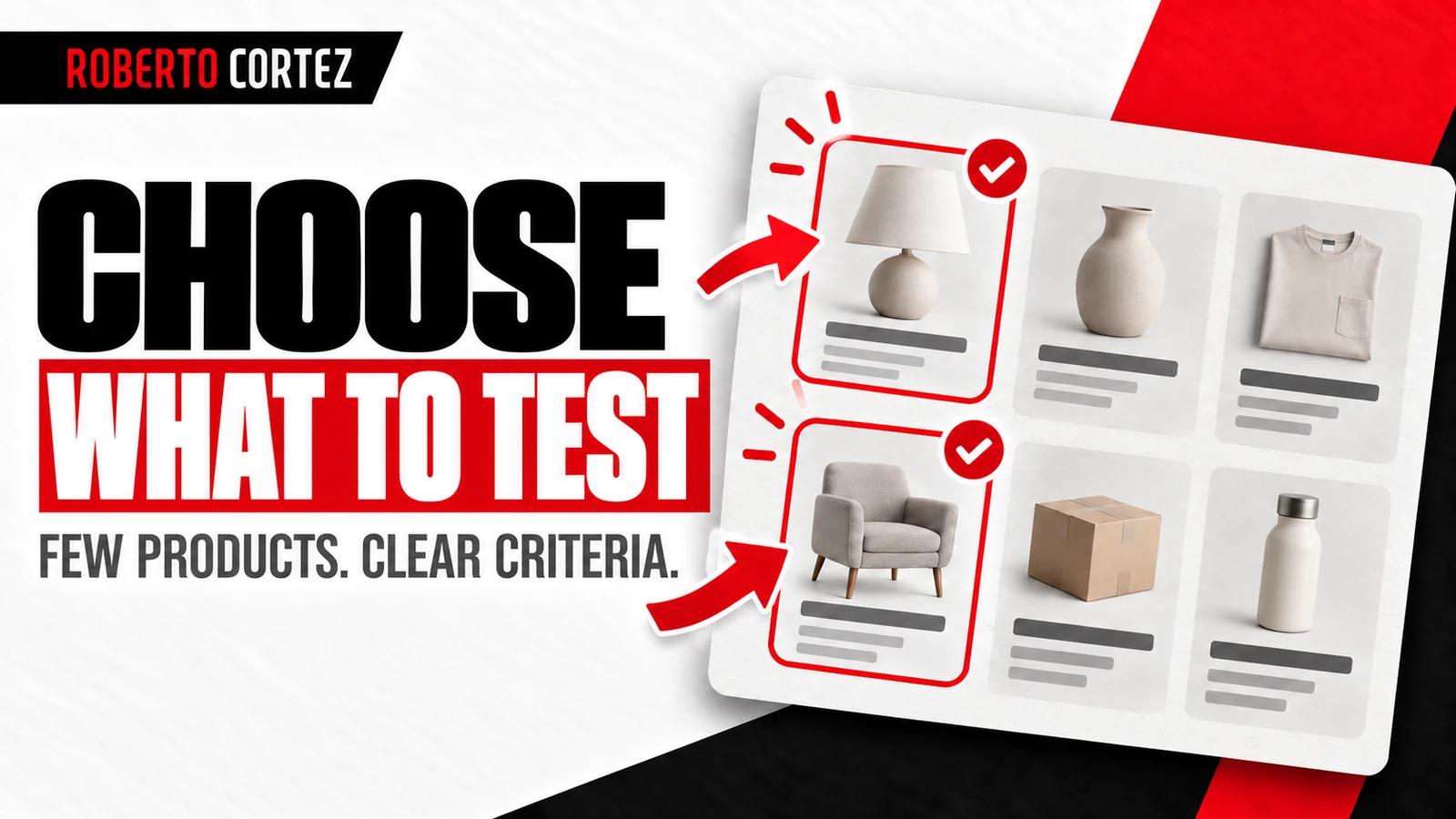
What does concentrating the catalogue help resolve?
Concentration reduces the number of decisions you must fund and monitor simultaneously. It can make preparing the offer and interpreting each product's results easier. However, it is only useful if the resources released support a test with a defined question, rather than keeping the same items in place indefinitely out of habit.
Imagine a hypothetical store selling home decor for several rooms. Trying to promote everything simultaneously requires explaining different uses and reasons to buy. An initial selection of items for a specific context can help you prepare the advertisement and destination better, without hiding the store's remaining catalogue.
Concentrating advertising does not mean removing products or declaring that the others cannot sell. It means choosing where to put your attention and money at this stage. Organic sales, existing customers' behaviour and other channels continue to provide information about items excluded from the test.
Before judging a choice, check whether the advertisement had the conditions needed to be tested. A campaign with insufficient exposure leaves a question unanswered. Constantly changing products can repeat that problem, even when you only have a few advertisements active at any one time.
To prepare your next step, explore Growing an online store.
Which products deserve to enter first?
Choose products for which you can explain a need, a reason to buy and actual fulfilment conditions. Consider the available contribution, signs of demand and page quality. Popularity within the store is a clue, but it does not replace examining how the product works for people who do not yet know the business.
A product that sells well to regular customers may depend on trust already established. Another may address an easily recognised need and work better at first contact. This difference does not make either an automatic winner; it helps you formulate different hypotheses for the test and its audience.
Check stock and variants as well. If the communication features a colour or size that can no longer be purchased, the interest generated may encounter a different offer. The selection should reflect what the operation can deliver, including timescales and conditions that influence the decision.
In a hypothetical example, you have a decorative item with clear photographs and available stock, another with unanswered questions about dimensions, and a third without a confirmed restocking date. The first may be better prepared to receive paid traffic. The others may need product and page work before investment.
Do not use the lowest price as your only criterion. A cheap item with little value remaining after costs may leave little room for acquisition. A more expensive item also needs a convincing offer and purchase expectations consistent with the effort the test requires.
How do you support the test without spreading resources again?
Define a hypothesis for each product or coherent group, prepare the message and choose how you will observe the result. Limit simultaneous changes so you can understand what happened. The number of products should fit the budget, content production capacity and time available to follow questions and the data being collected.
If you change the product, audience, price and page simultaneously, an improvement becomes difficult to interpret. You do not need to freeze the entire store, but record relevant changes. That prevents a conclusion about the product from resting on a change in conditions that nobody considered.
Even with few products, too many variations can spread the work again. Choose differences in messaging that correspond to actual reasons to buy. The process of preparing advertising variations without repeating the same idea helps distinguish a new hypothesis from a simple change in wording or colours.
Timing is also part of the design. Identify when you will review the data and which situations justify intervening earlier, such as a broken page or unavailable stock. Separating scheduled review from urgent correction avoids both waiting through failures and changing direction because of anxiety.
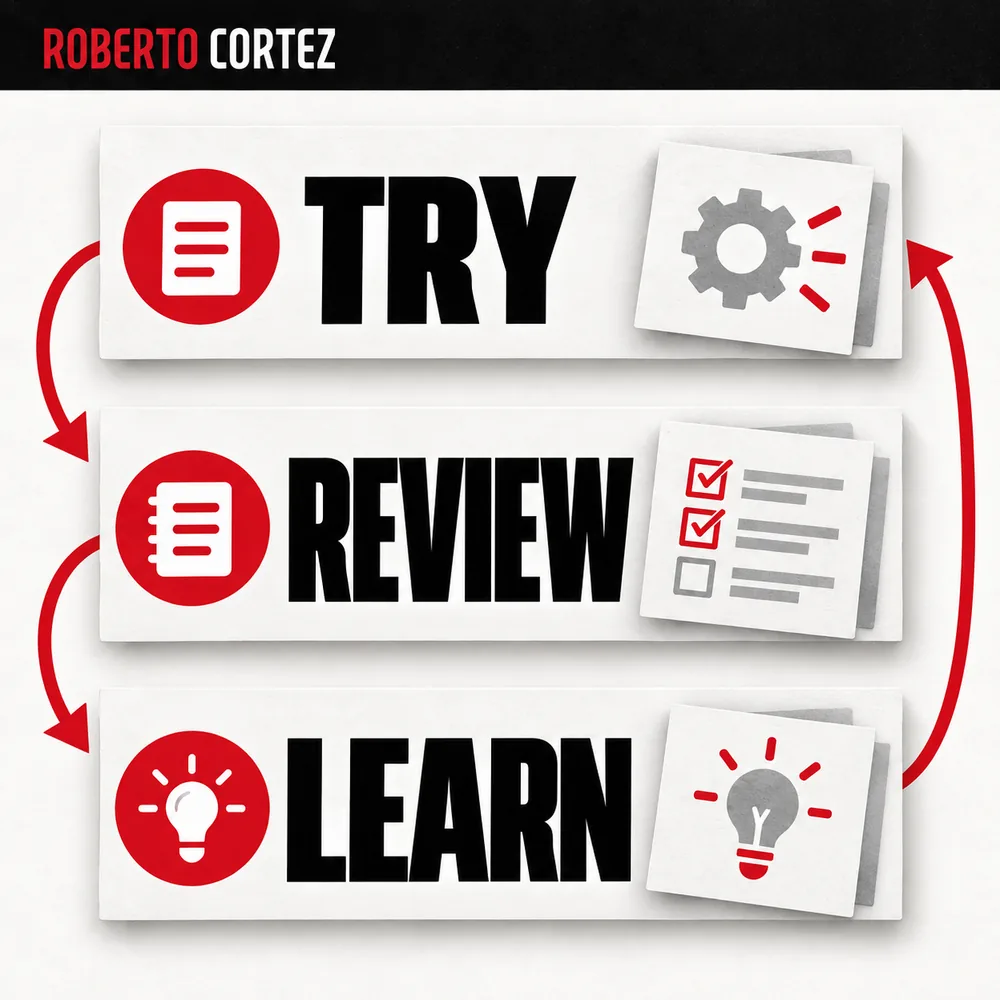
What should you observe beyond sales?
Observe whether the message attracts relevant interest, whether the page clarifies the offer and whether purchases leave value after the costs considered. Also examine where people stop. A product without sales may have a presentation or journey problem that simply changing the item would leave unresolved in the next round of advertising.
Cheap clicks do not show that you selected the right product. They may reflect curiosity that does not lead to a purchase, or a promise the page fails to confirm. Read the advertisement and destination together, looking for the same proposition and enough information to make a decision.
When sales occur, examine what the orders contain. The advertised product may initiate a purchase that includes other items, or sell on its own with a different contribution from the one expected. Record that difference before concluding that the result belongs only to the featured item's price and margin.
The resources required to maintain the campaign also matter. A product that generates many repeated questions may need a better page, even if it is already selling. That information helps you decide whether to increase investment, correct the presentation or reserve the product for another commercial context.
When is it time to expand the selection?
Expand when you have a reason to test new products and the resources to follow them without losing control of what already works. Use previous learning to choose the next hypothesis. The selection should change with demand, availability and the economics of the sale, without becoming a permanent rule for the whole catalogue.
You might add an item addressing a related need, test a different category or revisit a choice previously excluded because it was not ready. In each case, write down the reason. Growth in the group of advertisements then follows a commercial decision, rather than merely a desire to show something new.
If the previous choice generated contribution, that helps assess reinvestment capacity, but does not remove the need to check operational commitments. Deciding to increase the budget while monitoring profit requires examining costs and capacity. An initial result does not guarantee that greater investment will maintain the same performance.
You may also conclude that you need to replace a product or stop an inconclusive hypothesis. Record what you learned, what remains unclear and what would be required to test again. Concentrating on a few products serves its purpose when it makes those decisions clearer and improves the next choice.