
Reconstruct the agreement from the available materials
First gather the proposal, decision records and approved changes describing delivery. Identify the concrete elements: scope, timing, responsibilities and acceptance criteria. Include the communication accompanying the sale in that review, because the client may have understood a promise through examples and explanations beyond the final document, even where those details were not repeated in writing.
Do not begin solely with the sentence that best protects your position. If the proposal says one thing and meetings suggested another, that difference belongs to the problem being resolved. The aim is to understand how both sides reached different expectations without selecting only the evidence that favours one interpretation.
Nor should you fill gaps with what now seems obvious to you. “Everyone knows that was not included” does not clarify what the client understood. Identify the missing point and treat it as an ambiguity requiring a decision rather than an excuse to avoid the discussion.
Understanding the client before accepting a project helps prevent some of these situations. Once work begins, however, the actual case needs resolving. A good initial process does not replace reviewing what was genuinely communicated and performed during the project.
To prepare your next step, explore Customer retention and experience.
Verify delivery before discussing perception
Compare the completed work with criteria you can confirm, distinguishing finished, incomplete and unevaluated items. A deliverable may exist while still failing to meet an agreed condition. Checking facts before discussing perception prevents a concrete failure from being treated merely as a communication difficulty or a lack of understanding on the client's part of the project.
Imagine a hypothetical page intended to present an offer in two languages. If only one version was delivered, an observable element is missing. Explaining the completed work more clearly does not replace the version that still needs to be produced for the client.
In another hypothetical example, both language versions exist but the form does not route enquiries as agreed. The appearance of completion does not demonstrate that the required behaviour works. Verification should follow what the client needed to be able to do with the delivery.
When you confirm a failure, identify the correction and how to validate it. You do not need to resolve every disagreement in the relationship before addressing a concrete execution failure. Accepting that point may allow the remaining issues to be discussed on a clearer, less defensive basis.
Identify the expectation that never entered the discussion
Ask the client to describe the outcome or experience they expected and where that expectation originated. Compare the answer with the agreement and examples used during the sale. The gap may arise from an unclear promise, an interpretation that was never confirmed or a new need emerging after work on the project had already started.
Someone may have purchased a page build while also expecting all photographs to be produced. Someone else may have understood delivery to include ongoing support after publication. These are different hypothetical situations, even if both appear in the statement “I thought you would take care of everything”.
Ask which explanation led the person to that conclusion. If the team used overly broad expressions, acknowledge the effect of that communication. If the expectation emerged later, identify what changed in the business and assess whether adding that need to the project makes sense for both sides.
Avoid labelling the first difference you find an “unrealistic expectation”. That description may conceal a promise made without enough precision. The analysis becomes more useful when each side can identify the specific element they imagined and the information available to them when they interpreted the offer.
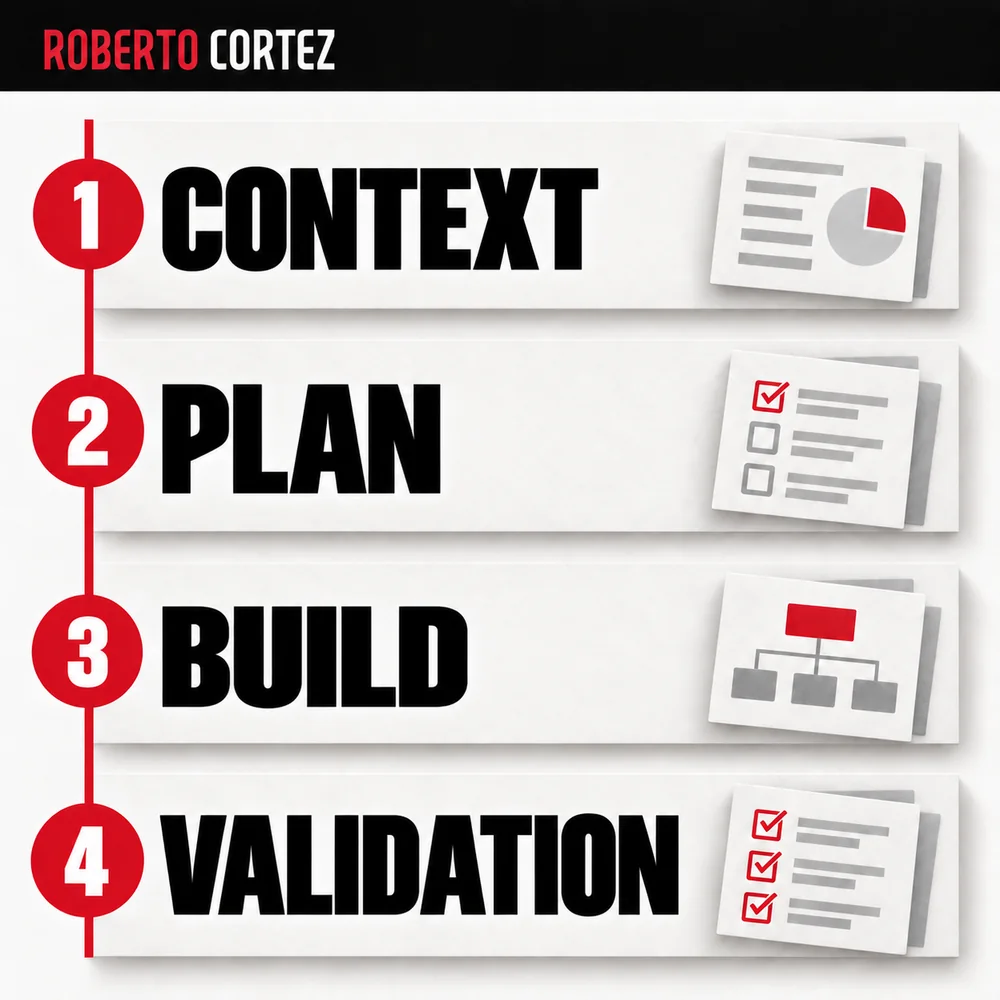
Separate contracted delivery from the expected business outcome
Analyse the deliverable and its intended commercial outcome separately while retaining the connection between them. Check what the team committed to execute and which conditions influence the result. This distinction does not remove responsibility for quality or permit promises of effects that you cannot control or demonstrate through the work and evidence available to you.
A campaign can be correctly configured while producing results insufficient for the client. It can also be poorly configured while temporarily benefiting from strong demand. Looking only at the final outcome may conceal either good execution or a failure that still needs to be corrected.
The practical question is which part of performance can be observed and connected to the decisions made. Look for constraints in the offer, response process or delivery capacity without automatically using them as excuses. If identifying those dependencies belonged to the team, assess whether it did so at the appropriate time.
In client retention for a service business, this conversation needs to continue throughout the work. The longer it takes to distinguish what was promised from what was only possible, the harder it becomes to interpret dissatisfaction without mixing several different issues together.
Choose a response for each gap identified
Match the response to the nature of each difference: correct failures, clarify ambiguity and negotiate additional work. A single situation may contain all three elements. Record them separately so that accepting a scope change does not conceal an outstanding correction or turn the entire conversation into a discussion about price before the actual issues are understood.
If part of the agreed delivery is missing, define how it will be completed. If the agreement permits different interpretations, seek a solution both sides can understand and improve the definition. If a new need exists, present the effort and conditions before integrating it into the plan.
A limited correction may resolve immediate use while the rest is discussed. Make that choice explicit, identifying what it resolves and what remains open. A provisional intervention should not be presented as final closure simply because it reduces the urgency of the situation for the people involved.
Confirm who has authority to approve each decision. A change accepted by someone without that responsibility may create another disagreement later. Both the team and client need to know which version of the agreement now guides the work they are doing.
Verify the correction and improve the next agreement
After acting, confirm that the identified gap has been resolved and both sides now use the same criterion to assess delivery. Update scope and relevant records with the decision made. The review should clarify subsequent work without erasing history or pretending that the first definition was already sufficient for the relationship and the project to proceed.
If the client remains dissatisfied, ask which point is still open and compare it with the correction performed. There may be another failure, an uncommunicated decision or an expectation that remains unspoken. Treating those elements separately allows progress without restarting the entire discussion from the beginning each time.
Distinguishing failure from misalignment helps choose a fair, workable response. Work needs correcting when delivery falls short of the agreement, while decisions need clarifying when the agreement lacked precision. Accepting both possibilities protects the quality of the relationship and the seriousness with which the service is delivered.