

Decide what should happen after submission
The next step should match the intention that led someone to leave their details. Requesting information, asking for a proposal and booking a conversation are different actions requiring different responses. Choose the immediate outcome of contact before building acquisition, so the promise and the way enquiries are handled point in the same direction.
If someone asks about a service, the first response should help them understand that service and how their request fits. Sending them straight into a lengthy meeting may create effort they did not expect. If they requested a project assessment, a generic reply that does not explain how assessment begins can leave the need unresolved.
Describe the first interaction's outcome in concrete terms. It might confirm suitability, collect missing information or arrange a conversation with the right person. Avoid vague objectives such as “work the lead”, which do not reveal whether the enquiry progressed or merely received a message.
This definition connects with designing a lead funnel the team can work with. Acquisition needs a continuation that makes sense to the interested person and that the operation can deliver. Submission totals alone do not show whether this handover is properly prepared.
To prepare your next step, explore The B2B sales process.
Prepare expectations on the page and in the confirmation
Explain before submission what the person is requesting and what will happen next. Afterwards, acknowledge receipt and repeat only the information needed to guide their wait. The timeframe, channel and nature of contact should reflect the actual process without promising a response that still depends on conditions you have not yet established.
In a hypothetical example, a business receives requests to assess automation projects. The page can explain that the team first checks the fit and then arranges a conversation if there is a potential way to help. That prepares expectations better than announcing an immediate proposal without enough information to produce one.
Button wording should also match the commitment. “Request contact” and “book a meeting” describe different experiences, especially when no date has been confirmed. Avoid implying that a booking is complete when only a request awaiting team review has been submitted.
In the confirmation, indicate the channel through which the person should expect a response and any action they genuinely need to take. Do not add a new task list out of habit. If further information is essential, explain why it is requested and how it prepares the following stage.
Assign an owner and prepare for their absence
Every new request should reach someone clearly responsible for beginning follow-up. Define the assignment rule, internal timeframe and alternative when that person is absent or unavailable. Preparation prevents several people from assuming someone else has already replied, leaving an interested person waiting for a response that nobody has actually taken responsibility for providing.
In a small team, the owner may always be the same person, provided there is cover for holidays, meetings or periods of increased demand. In a larger team, assignment may depend on service, region or capacity. Either way, someone needs to check requests left unassigned or without action.
Also define who can decide a request is unsuitable and who resolves uncertainty. If someone can only route an enquiry, do not implicitly ask them to approve commercial terms or promise delivery dates. Responsibility should match the authority and information available to carry out the task.
When an external team is involved, make responsibilities and approvals in the shared work explicit. Whoever builds the form may not manage enquiries. The handover needs information, appropriate access and follow-up criteria so operations do not depend on the memory of whoever configured acquisition.
Choose the channel and purpose of the first conversation
The contact channel should suit the request, context and communicated expectation. Define what the first interaction needs to clarify and prepare the team to listen before proposing. A quick response helps when it advances the conversation with relevant information and respects how the person expected to be contacted after submitting their enquiry.
If the request anticipates an email response, start by answering the question in that context. If the person requested a call, ensure the caller knows the reason and the information already provided. Having a telephone number in the record does not mean every situation requires an unexpected call.
Prepare brief guidance for opening the conversation: identify the request, confirm the need and explain the interaction's purpose. The team should adapt to what it hears instead of following wording that ignores answers. Previous records reduce repetition and demonstrate that the information was read.
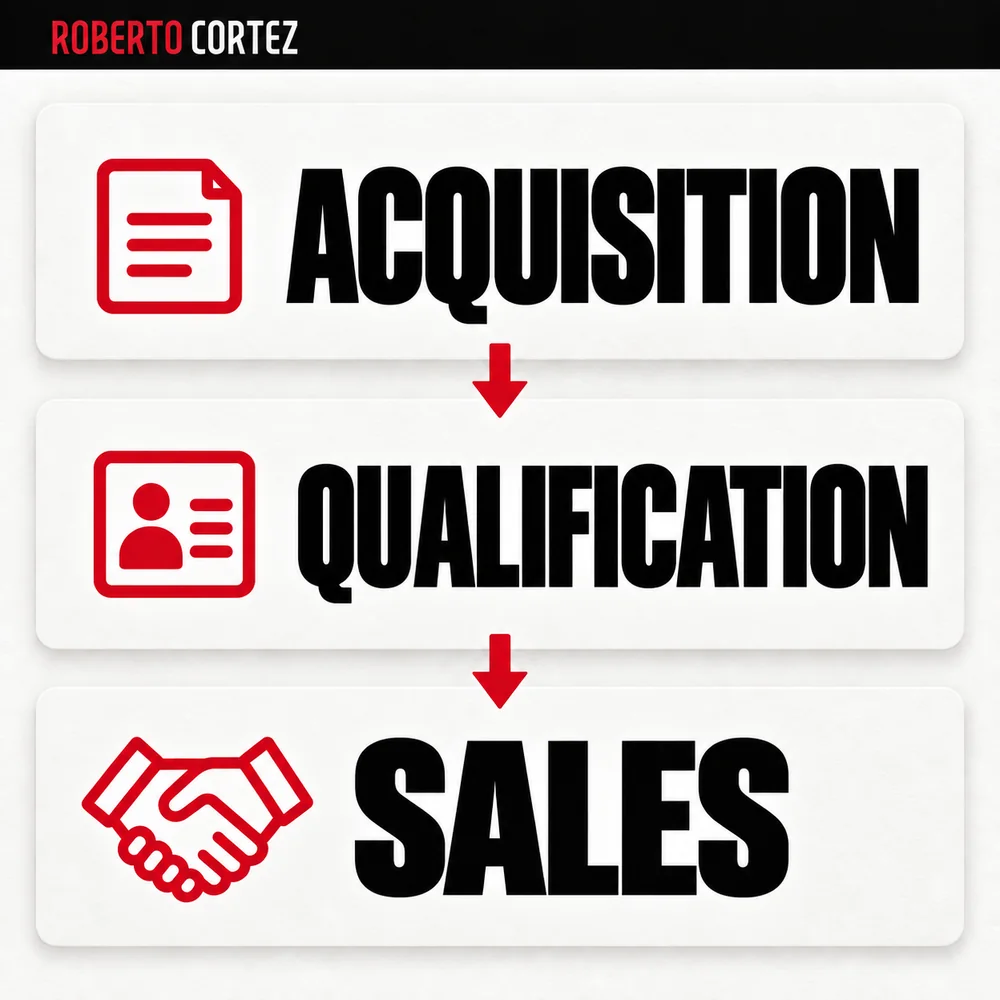
Turning leads into service customers depends on that continuity. A first conversation may conclude that the solution is unsuitable, information is missing or progression makes sense. Each outcome should be recorded with a coherent next step rather than pushing every enquiry towards the same answer.
Define what happens when cases leave the expected path
Prepare handling for incomplete, duplicate, unsuitable or unanswered enquiries. Each situation needs an understandable status and possible action, including ending follow-up when appropriate. Do not leave these decisions to individual improvisation, because unclear cases are precisely those likely to be forgotten between stages while attention moves towards newer and easier requests.
An invalid email should not be presented as commercial disinterest, and a duplicate enquiry should not start two competing sequences. Someone who prefers to return later needs that preference recorded. Categories should describe what you know without adding interpretations the information cannot support.
If the team cannot respond within the stated timeframe, decide how to inform the person and correct the commitment. An automated confirmation does not resolve the delay by itself. The message should preserve the true status of the request and make responsibility for follow-up clear.
For automation, define how a received reply changes the journey and who sees cases requiring intervention. The same person should not keep receiving requests for information already supplied because the sequence ignored the current status. Reviewing exceptions belongs in contact preparation, even when most enquiries follow the expected path.
Check the complete handover before increasing acquisition
Before bringing more people to the form, walk through the sequence from the page's promise to the first follow-up. Confirm receipt, assignment, response content and recording of the next step. Validation should show that the team can execute the process, including exceptions, without relying on improvised interventions for each new request it receives.
Use a controlled internal check distinguished from real sales enquiries and confirm how information appears to whoever will respond. Also review situations such as unavailability, incorrect contact details and duplication. The aim is to identify journey failures without confusing the check with actual market demand.
Once real enquiries start arriving, follow a sample of the first journeys. Check whether people understood what would happen and whether the team received sufficient context. Correct differences between promise and execution before increasing volume, keeping the owner, channel, purpose and next step clear at each handover.