
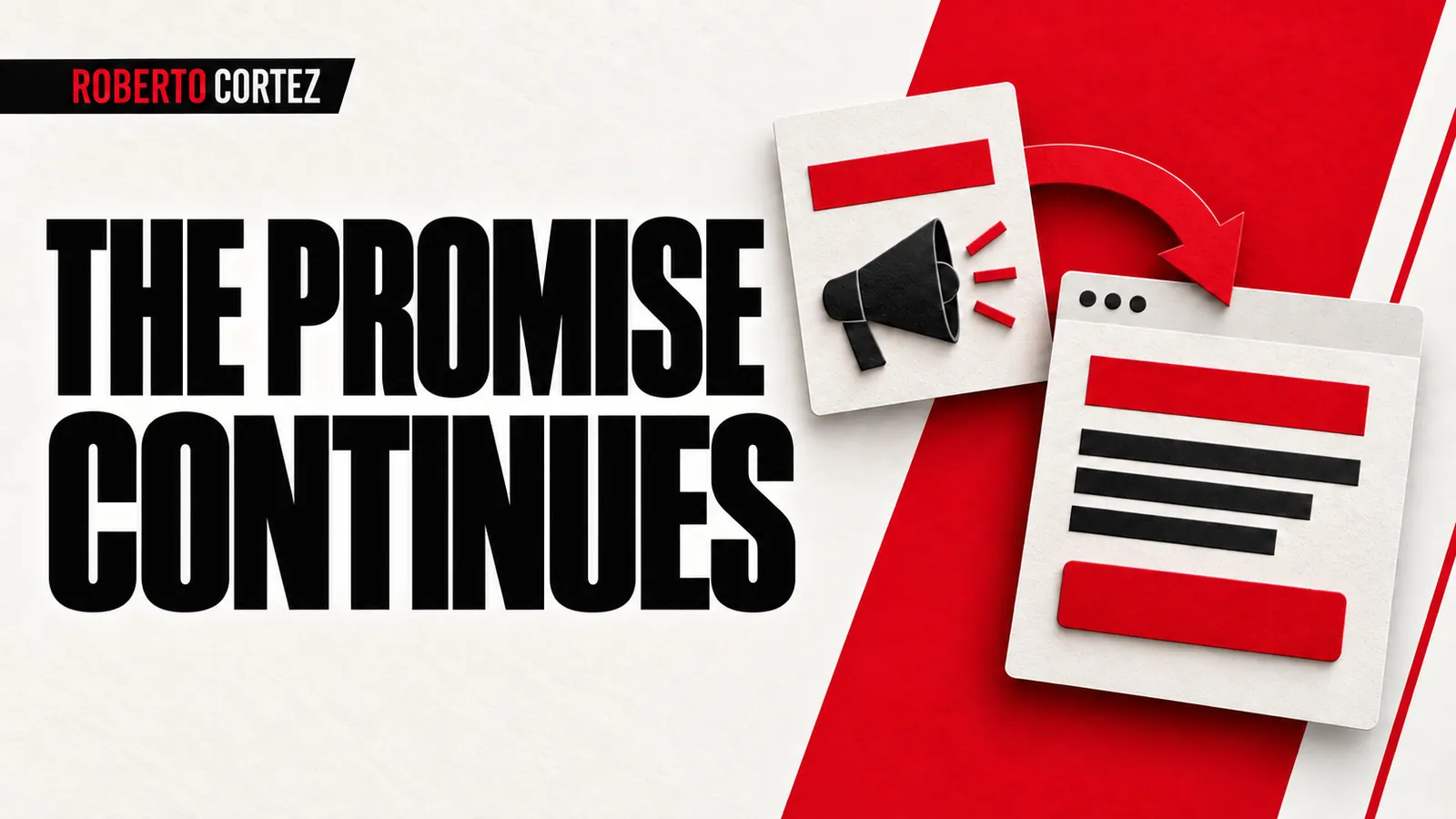
Start with the expectation people bring to the page
Before reviewing the page, write down what the advert led people to expect. Include the problem, offer, stated conditions and proposed action. If the visit came from search, also consider the intent expressed in that query, because the page needs to answer the question that prompted the click in the first place.
Imagine a hypothetical advert offering an assessment of the lead follow-up process. A visitor might expect to understand what will be examined, what they need to prepare and how to request that assessment. If they arrive at a general page about every company service, they must find the connection themselves.
The same happens when a specific search leads to a neighbouring but different service. Someone seeking help to organise sales enquiries may not be looking for a complete website rebuild. Related topics do not remove the need to address the actual intent that brought the visitor to the page.
Place the advert and the page's first view in the same review document. Ask someone to explain which offer each presents. If the answers differ, you already have something to investigate before discussing colours, button size or the amount of copy to include on the page.
To prepare your next step, explore Positioning and value proposition.
Confirm the offer at the beginning of the page
The opening should allow people to recognise the offer quickly and understand whom it suits. Develop the advertising promise with enough information to guide further reading. Consistent visual identity helps people recognise the source, but does not replace alignment between what was advertised and what is actually available from the business.
In the sales-assessment example, the headline and initial explanation might describe the stages examined and the type of difficulty the assessment seeks to identify. They need not repeat the advert word for word. They must confirm that visitors have reached the place where they can understand and request that intervention.
Avoid starting with a lengthy company introduction while hiding the main answer further down. History, the team and credentials can build confidence, but their order should reflect the visitor's question. People first need to know whether they have found the offer that prompted them to click.
If the existing page already answers clearly, a new campaign does not automatically require a new page. The decision depends on how well the content fits the advert and next step. A dedicated page may help when several different offers make the current destination confusing to navigate.
Develop the benefit through scope, process and evidence
After confirming the promise, explain what will be done, what is included and which evidence supports the proposal. The page should help people assess suitability rather than merely increase enthusiasm. If the benefit depends on conditions, place them beside the relevant explanation without allowing the advert to imply a nonexistent guarantee.
An assessment of lead follow-up might include examining stages, responsibilities and available records. That differs from promising to repair the entire process during the first conversation. Visitors should understand the actual deliverable before sharing information or reserving time in their calendars for the next step.
Use examples of how the service works and evidence that corresponds to the offer presented. A testimonial about another offer may provide useful context, but should not appear as specific validation of a deliverable that person never received. Apply the same care to images, demonstrations and highlighted numbers.
This review benefits from a diagnosis before the marketing plan. If the team itself cannot explain the scope and available evidence, the page is attempting to solve through copy an offer decision that still needs to be made and supported operationally.
Make the next step match the invitation
The button, form and confirmation should fulfil the action the message advertised. Explain what happens afterwards, who will respond and which information is needed. Someone expecting a resource who is surprised by a mandatory meeting has encountered a change in commitment that may undermine confidence in the offer and company.
If the invitation is to request an assessment, state whether there is an initial conversation, whether suitability conditions apply and how the next step is arranged. You do not need to invent a response deadline to make the page look complete. Use the process the team can actually fulfil.
Form questions should help that transition. Requesting information that will not be used in follow-up adds effort without clarifying the proposal. A short question about the main difficulty, however, can prepare the conversation provided someone is responsible for reading the answer and making proper use of it.
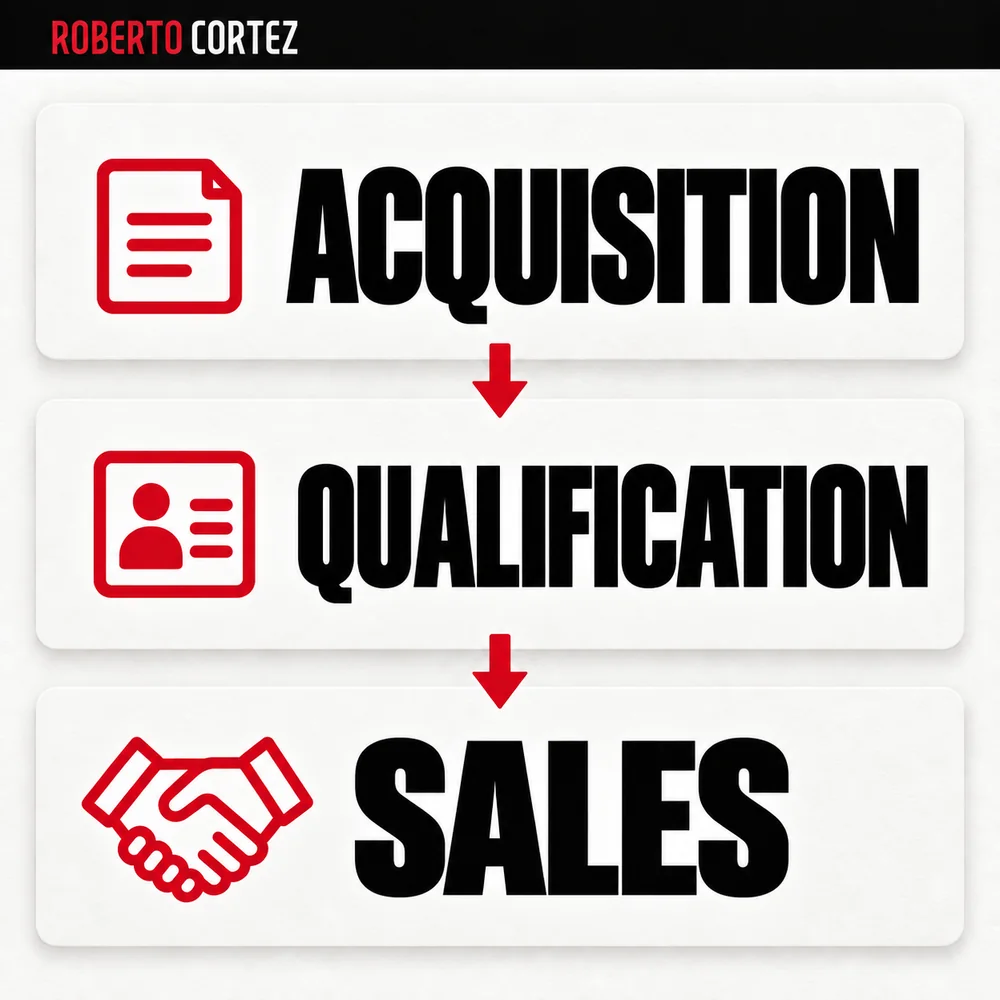
This continuity is part of a lead funnel the team can actually work. Coherence extends until what happens after submission matches what people were led to expect, including the confirmation message and the first sales contact they receive from the business.
Test the journey as though the project were unfamiliar
Move through the advert, page and next action while examining clarity and functionality, particularly in the context where they will be used. Check text, legibility, navigation and confirmation. Distinguish technical difficulties from questions about the offer, because either can interrupt the journey and each requires a different kind of correction.
A page can be coherent on a desktop yet show a cropped headline or an awkward form on a phone. It may also load correctly while still hiding information needed to decide. Testing must examine both usability and the meaning of the experience presented to the visitor.
Check links, conditions and confirmation messages before receiving traffic. Perform this verification in a test environment or through an identified procedure to avoid creating false enquiries in the team's workflow. A successful technical test demonstrates functionality under the conditions checked, rather than establishing a future conversion rate.
Also ask someone uninvolved in construction to read the page. Have them explain the offer, what they receive and what happens when they proceed. This observation can reveal assumptions the team left implicit because it knows the service it is presenting too well to recognise the missing context.
Review the advert and page as a joint decision
When you change the advertising promise, check whether the page remains suitable; when you change the offer on the page, review the pieces directing people towards it. Preserve versions and monitor opportunity quality. Better continuity should support informed decisions without promising an automatic increase in the number of completed sales.
If a campaign generates many visits and few enquiries, misalignment is one hypothesis to investigate rather than the only possible explanation. Demand may be unsuitable, price may not fit, confidence may be lacking or a technical fault may exist. Use journey evidence to choose the first change instead of rewriting everything simultaneously.
When preparing advertising variations with AI, include the destination and next commitment in the brief. A new piece can explore a different objection while keeping the same page, provided the page addresses it. A different promise may require revising content or choosing another suitable existing destination.
End the review able to explain the complete connection: people recognise a situation, find the advertised offer, understand the delivery and choose a step that matches their expectations. That connection gives advertising investment a coherent journey to observe, learn from and improve using real evidence.