
A message can seem written for one person while still saying things nobody checked. The model only needs to add that you admire the company's growth, have followed its founder for years or discovered a sales problem. Without evidence, faster production simply accelerates an approach that lacks credibility from the start.
What distinguishes personalisation from filling in fields?
Personalisation connects confirmed information with a relevant reason for making contact. Filling in fields merely inserts a name, location or sector into otherwise identical text. Those details can provide context, but they do not establish a need or justify conclusions about the company's internal situation or the results its team is achieving.
Imagine a company whose website offers services for distributed teams. You can reference that offer when explaining why a conversation about coordinating enquiries might be relevant. You cannot conclude that its team loses information between departments simply because it operates across several different locations.
An observation belongs in the message only when it helps explain your approach. Mentioning a city without connecting it to the service may be a decorative sign of research. Mentioning an activity compatible with your specialisation can clarify suitability, provided the information is still current.
Qualification in B2B prospecting should happen before writing. An elegant message cannot repair a selection of companies unrelated to what you actually know how to do or to the problem you aim to address through your service.
To prepare your next step, explore Sales automation with AI.
What information should you retain before requesting a draft?
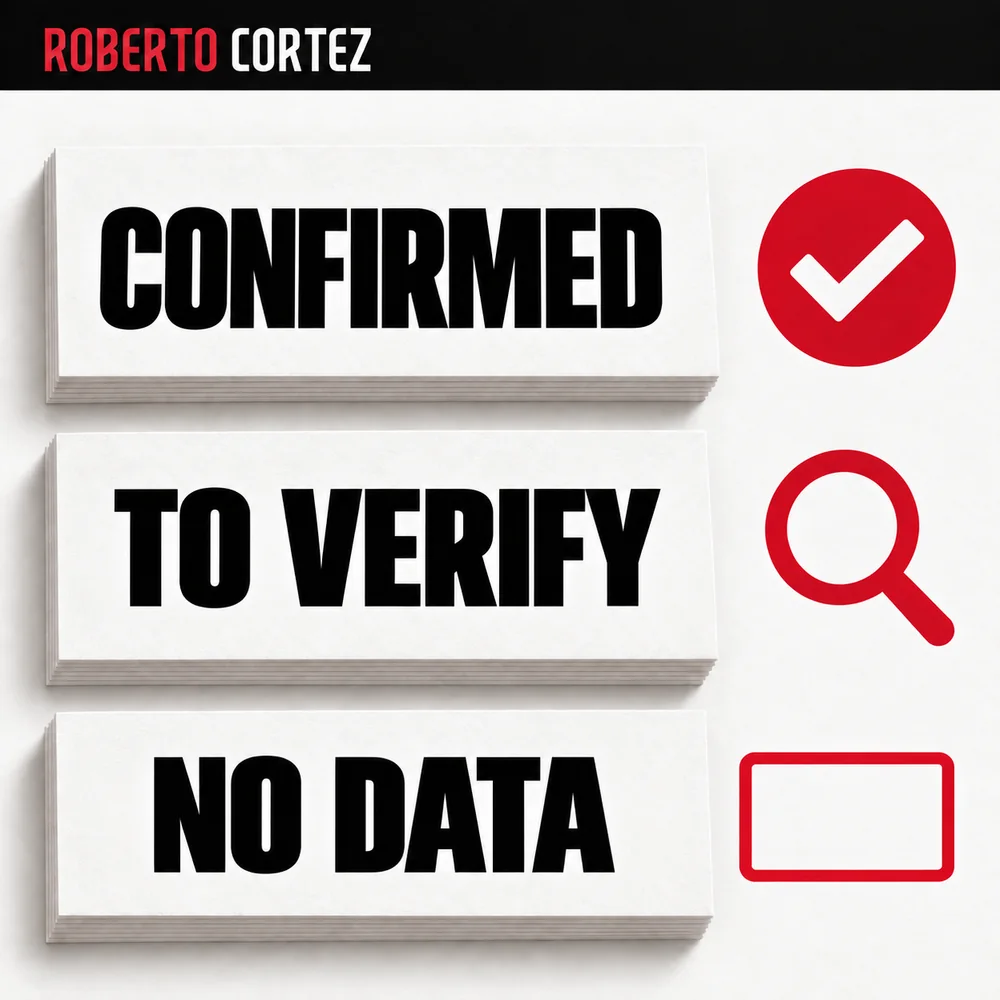
Retain the observed detail, its origin, the date checked and the company it belongs to. Add an indication of what is confirmed and what remains unclear. This small evidence base supports review and prevents different contacts' information being mixed together or an old observation being presented as if it were still current.
For a published offer, keep the page and relevant passage. For a change in activity, check that the announcement concerns the right company and remains relevant at the time of contact. Information copied from a directory may be outdated or belong to another organisation with a similar name.
You do not need to collect everything you find. Personal information unrelated to the proposal can make the approach intrusive without improving commercial understanding. Choose details needed to understand the offer and explain the relevance of a conversation, retaining the context in which each detail was collected.
When two versions conflict, flag the discrepancy for review. Asking AI to select the most convenient version turns a gap into fiction. When you cannot confirm a detail, leaving it out is preferable to using it as the basis of a confident factual statement.
How do you instruct AI without inventing familiarity?
Instructions should restrict the draft to supplied information, prohibit invented experiences or observations and allow an incomplete message when data is missing. Explain the offer, the recipient and the reason for contact. Require every factual claim to be traceable to an origin, with that connection available to the person conducting the internal review.
Avoid asking the model to make recipients feel you know them deeply when you only viewed a page. Do not request specific praise without evidence or conclusions about difficulties the company never mentioned. A friendly tone can be straightforward and respectful without pretending there is an existing relationship.
Organising the context supplied to AI includes separating knowledge about your offer from knowledge about the recipient. Your ability to solve a problem does not establish that a particular company experiences that problem or wants help addressing it.
You can request a short draft containing an observation, its connection to the offer and an optional question. If no connection exists, the output should flag a lack of fit. Do not force the model to create a persuasive approach for every record regardless of the evidence available.
How should you review a message before sending it?
Review every sentence by asking whether it has evidence, respects the context and is necessary for the conversation. Confirm names, activity and the connection between observation and offer. Then read as the recipient: who is contacting them, why and what next step is proposed should all be clear, without pressure disguised as helpfulness.
In a hypothetical example, a draft says the company is losing enquiries because it does not use a particular tool. Collected information only shows that the tool is not mentioned on its website. Remove the conclusion, because absence of a public reference proves neither non-use nor lost business.
Check apparently harmless phrases such as saying you follow someone's work. If you only opened a page that day, the wording exaggerates the relationship. Replace it with the concrete observation you actually made or remove it when it contributes nothing to the reason for approaching them.
Review should also cover the recipient and selected channel. Accurate text about a company can still reach the wrong person or appear in an unsuitable context. Having a prepared message is different from deciding that sending it would make sense in that specific situation.
How do you preserve care as volume grows?
As volume grows, separate collection, preparation and sending, with someone responsible for approving movement between stages. Keep each company's information isolated and retain the reviewed message version. Speed helps only if you can prevent known errors from recurring and stop the sequence when conditions for a relevant approach are missing.
Check cases with similar names, incomplete pages and contradictory information before expanding the process. These examples reveal failures that may not appear in a sample containing only easy records. If information crosses between companies, interrupt preparation until you understand where the mix-up came from.
An automated classification can help order drafts, but does not establish that their claims are true. Checks can flag prohibited promises, wording or references lacking an origin. The decision to contact still requires someone to take responsibility for the content and its relevance to the recipient.
Retain requests not to be contacted again and prevent new lists from reintroducing those people. Commercial follow-up must respect the response received. Automation does not turn repetition of an unwanted message into a business relationship or a reasonable basis for further contact.
What should you learn from the replies?
Replies help you evaluate whether the observation was accurate, the offer relevant and the timing suitable for a conversation. Do not assess response rate alone: an irritated correction also counts as a reply. Record reasons for interest, lack of fit and factual errors to improve selection and the drafts prepared in the future.
If several companies say they already solved the problem, review the information used to identify opportunities. If recipients cannot understand why they were contacted, improve the connection between observation and offer. If they receive a promise you do not make, correct preparation before generating more messages.
Turning a contact into a client depends on the conversation that follows. The draft opens a possibility of understanding; afterwards, you need to listen, confirm needs and accept when there is no reason to proceed. Personalisation keeps its value when it remains faithful to what you actually know.