
For a team, contradictory instructions can create rework in customer delivery or alter an established process. Skill selection should start with the task and who owns its outcome. A small, understood and reviewed set can be easier to maintain than a catalogue without a responsible owner.
Begin with the need that remains unresolved
Choose a skill for an identified difficulty in the work, with an expected result you can assess. Avoid installing an extensive collection simply because it promises many capabilities. First describe the task that is failing or requires repeated explanation; then check whether the proposed procedure addresses that need within appropriate limits.
Imagine an agent producing reports whose conclusions are poorly connected to the data. You might need a procedure for checking sources and comparing periods. Installing several productivity, writing and presentation skills could improve the document's appearance without resolving the lack of support that prompted the search in the first place.
In this hypothetical example, the selection criterion is connecting each conclusion with available information and identifying what remains unknown. That definition lets you compare work before and after installation. Without it, any longer or visually different response may appear better even when it preserves the main error you wanted to correct.
Preparing the first working session helps put these decisions in order. Objectives, materials and usage conditions come before collecting tools. A skill makes sense when it enters an understood process and performs a function that the person responsible can explain in terms of the work required.
To prepare your next step, explore AI agents for businesses.
Read the instructions and accompanying resources
Examine what the skill asks the agent to do, including the materials and resources it references. Confirm its origin, required access and actions that may result from using it. The name and short description help locate the procedure, but cannot replace reading the actual instructions that will guide the work.
A skill advertised as a way to work faster might tell the agent to reduce checks or treat partial results as sufficient. That may suit a limited exploration and be inappropriate for a delivery requiring rigorous review. Evaluation depends on how the procedure relates to the objective and constraints of the project.
If scripts, external service connections or access requests are included, understand each component's purpose before authorising it. A familiar source or positive comments can assist selection but do not, by themselves, explain what will run in your environment. Seek technical help when the content is not sufficiently clear for you to assess.
Do not grant instructions authority simply because they arrived in an installed package. A skill should operate within project rules and permissions, without automatically expanding data access, permitted spending or freedom to publish. If it requires something incompatible with those limits, that incompatibility must be resolved before the procedure is used.
Look for overlap and conflicting criteria
Compare the new skill with procedures already guiding the same task. Identify potentially conflicting rules about quality, format, review and approval. Two independently useful skills can give incompatible guidance when applied to the same work, particularly if both present themselves as the main procedure for an overly broad type of request.
For the report, one skill might require evidence for every conclusion while another demands a firm recommendation despite incomplete information. The agent faces different expectations. The owner must decide the intended behaviour and limit the procedures' application instead of expecting the model to resolve an editorial or operational choice on its own.
Duplication can occur without an explicit contradiction too. Two procedures might repeat the same information gathering or successively reformat the delivery. That extra work needs a reason, especially when it changes previously reviewed results. Clarity about which procedure leads the task helps avoid steps that add no value.
The discipline of giving AI context without indiscriminate information applies to working instructions. An organised collection makes relevant guidance easier to find; overlapping procedures require interpretation of priorities that may never have been decided. More documentation helps only when its scope is clear and its instructions are coherent.
Check what loads and applies in the actual environment
Distinguish an installed skill from one actually used for a task. Discovery and loading depend on the tool and configuration, so do not assume every instruction always enters the context. Observe the procedures applied and investigate whether they match the request that the team intended to carry out in that session.
Claude Code documentation distinguishes displaying skill descriptions from loading their content when invoked. Counting installed files therefore cannot establish the context used by a task. However, unclear descriptions and overlapping scopes can still make selection less predictable and deserve review when the agent applies a procedure that does not fit the request.
If behaviour changes, check what changed besides the model: instructions, skills, materials or configuration. A newly applied procedure might explain an overly brief response or an unexpected structure. Base that investigation on what was actually used rather than automatically blaming the most recent installation for every difference you observe.
Choosing a model for a business task remains relevant but does not replace evaluating instructions. Switching models can leave a rule requesting the wrong behaviour untouched. Before comparing capabilities, confirm that you are asking for the same result and supplying procedures compatible with that result and its quality criteria.
Test one change at a time and maintain a useful collection
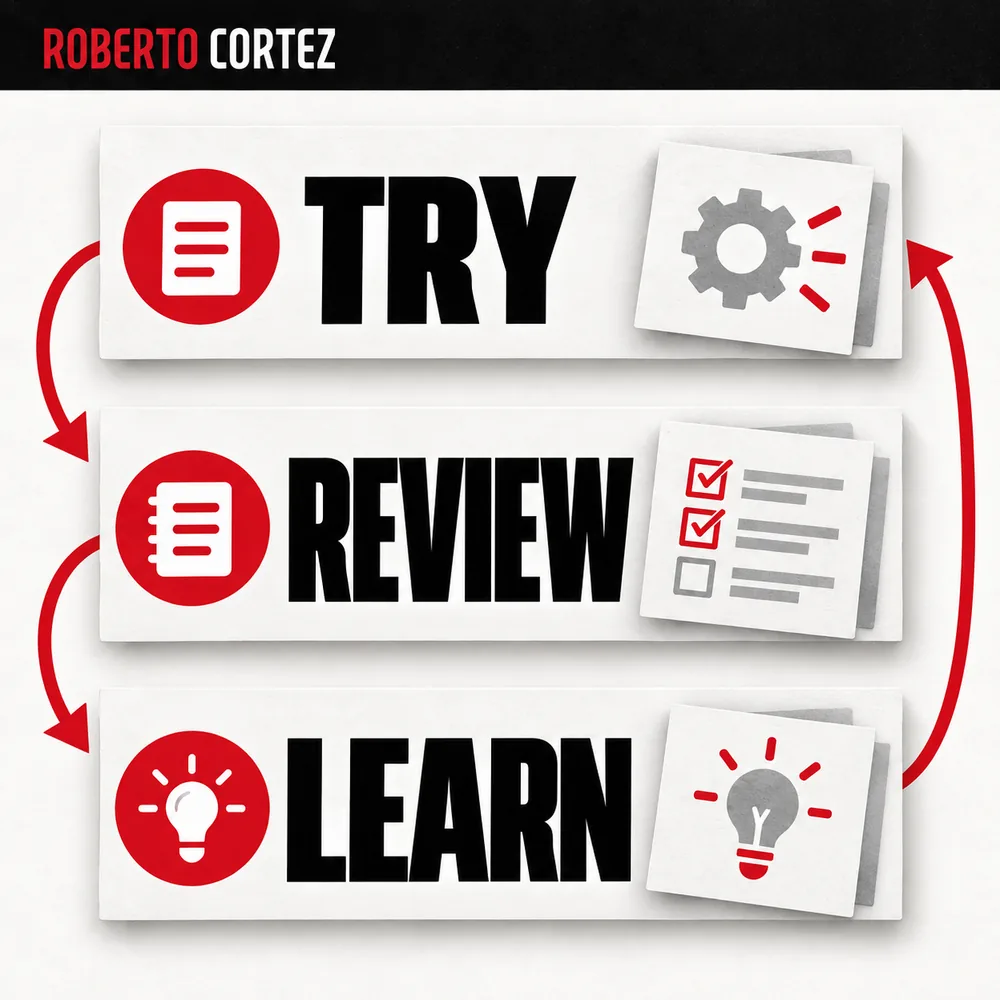
Evaluate the new skill with representative examples while preserving a reference for earlier behaviour. Also test neighbouring requests where it should not apply and examine the consequences of the change. Keep what demonstrates usefulness, with proportionate ownership and review, without making skill maintenance a larger task than the original problem you wanted to solve.
For the report, compare the support for conclusions, the gaps identified and the correction work that remains. If the procedure improves those points, there is evidence of usefulness. If it only changes the tone or adds steps, revisit the choice before extending its use to other reports and teams.
When a skill no longer fits, revise its scope or disable it reversibly, preserving what is necessary to understand earlier decisions. Avoid changing several procedures simultaneously if that prevents identifying the cause of improvement or failure. A small, observable change provides more useful information for the next choice you need to make.
The objective is a collection of procedures the team understands, applies when relevant and can maintain. A small collection may be insufficient, while a large one may be well organised; the number cannot decide for you. Evaluation needs to examine relevance, consistency, effects and the quality of the work produced.