
What information should you gather before the call?
Gather the original enquiry, the service that attracted interest, the contact source and what the person has already been told. Add relevant business information, noting where it came from. Separate what the potential customer confirmed from what you found publicly or inferred from incomplete signals during your research before the meeting.
The form may explain that the company wants more quote requests. The ad they saw may have offered acquisition support, while the company's website presents several services. Those pieces help explain the initial expectation, but do not tell you which service takes priority or who will handle the enquiries.
UTMs, where available and correctly recorded, help identify the campaign source. They do not reveal the person's entire intention or prove that the ad was their only encounter with the brand. Use that information to recover the message's context, without turning a campaign parameter into a psychological profile.
Read previous exchanges too, so you avoid asking questions already answered. That continuity is part of turning leads into customers in a service business. Preparation is useful when it reduces repetition and moves the conversation forward while respecting the questions that remain open.
To prepare your next step, explore The B2B sales process.
How do you ask AI for a summary that preserves uncertainty?
Ask for a summary divided into available facts, information to confirm and meeting questions. Require each relevant statement to be traceable to the material supplied. Instruct the tool to leave gaps visible instead of completing budget, team, performance or priority information from what usually happens in other companies operating in similar markets.
One possible request is: “Using only these notes, prepare a meeting brief. Distinguish what the contact stated, what appears on the website and the hypotheses. Suggest questions to clarify gaps, and do not invent figures, decisions or needs.” The result still needs your review before you use it.
Include a short description of your service and its limits too. Without that information, the tool may suggest a conversation about work you do not do or commitments you cannot make. The context should let it relate possible needs to your actual delivery capacity.
The principle of giving AI context without dumping information indiscriminately applies directly here. Supply what helps prepare the decision and avoid copying the entire CRM. Personal information, internal documents and other customers' details should not be included simply because they are available.
Which questions should guide the meeting?
Your questions should clarify the current situation, the change desired, previous attempts and available resources. Choose those that could change your recommendation. Leave room to explore unexpected answers, because a script prepared before the conversation cannot anticipate every dependency in the business or in the process through which a decision is made.
Asking “what result do you want to improve?” opens a different path from assuming the company needs ads. If the answer is more sales, find out where opportunities currently come from, how they are followed up and what happens after the proposal. The solution depends on that sequence, not just the stated goal.
Ask for concrete examples when an explanation is broad. “We are slow to reply” could mean occasional overload or a step with no person responsible. Each case requires a different intervention. AI can help prepare follow-up questions, but you decide when they make sense in the conversation.
Before progressing to a proposal, understand the customer and their resources before accepting a project. Confirm who will support the work, who decides and what information is missing. A long list of questions cannot replace the ability to recognise the answer that changes the diagnosis.
How do you explore impact without inventing losses?
Prepare questions about observable consequences such as hours spent, delays, rework or opportunities left unanswered. If a monetary estimate is involved, confirm its data and assumptions with the customer. Do not present possible sales as money already lost or assume your service would recover the full impact identified during this initial conversation.
Imagine a hypothetical example: the contact mentions ten hours each week spent assembling data for reports. You can ask who does the work, which parts are repetitive and how long checking the result takes. You do not yet know whether the whole task can be simplified or whether another activity would absorb the time released.
Even if the company assigns a value to an hour of work, multiplying that value by the hours does not demonstrate a cash saving. It may represent capacity available for other tasks. And if delivery requires checking, subscriptions or maintenance, those resources belong in the assessment too.
AI can suggest questions to complete that reasoning. It should not fill a worksheet with an invented conversion rate or the growth needed to make the proposal persuasive. The meeting's purpose is to establish whether a relevant, feasible improvement exists, with enough information to discuss the next step.
What should you check before using the preparation?
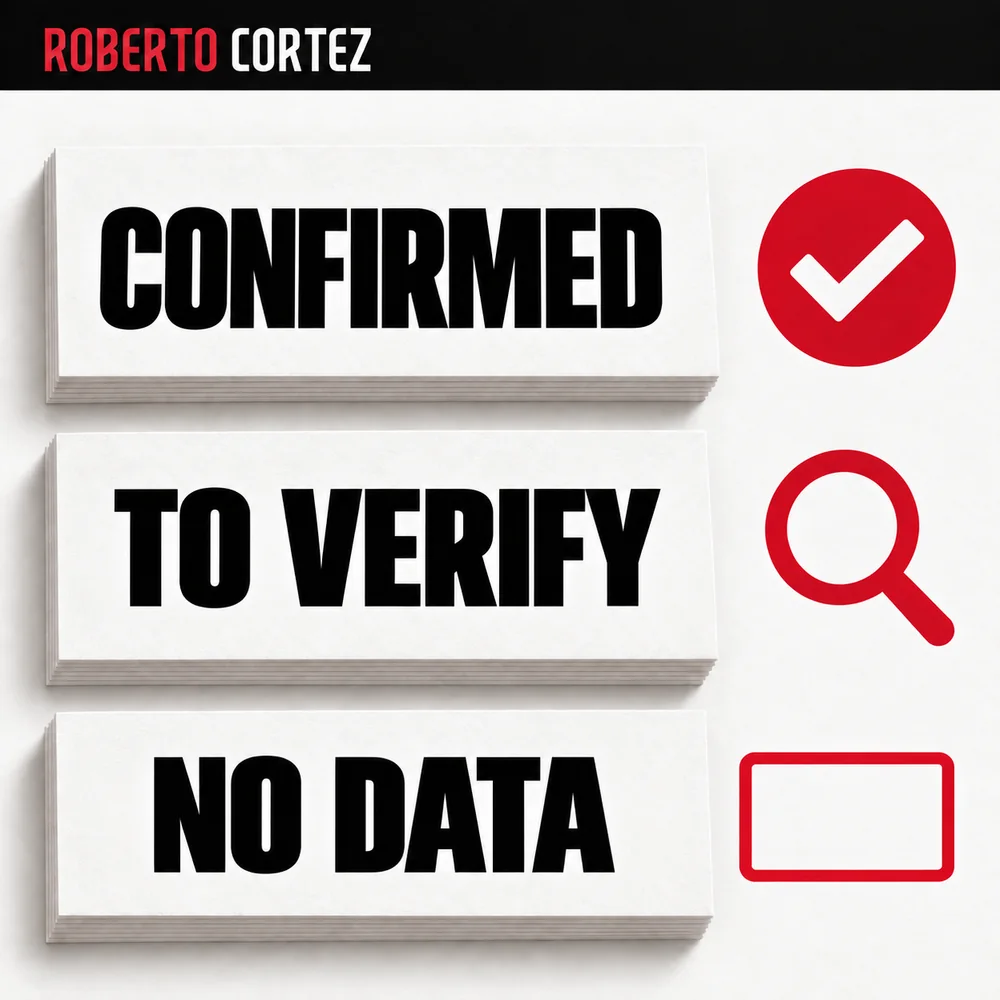
Review names, services, dates, figures and the origin of statements before taking the brief into the meeting. Check that the questions also respect the enquiry received and the conversation's purpose. Remove conclusions that sound specific but come only from generalisations about the industry or information that is no longer up to date.
A website may show a service that is no longer a priority. An old note may mention someone who no longer supports the project. If that information matters, prepare a confirmation question instead of opening the meeting as though it were current.
Look for contradictions between materials too. If the form requests customer acquisition and a later message mentions internal organisation, do not silently choose one version. Record the difference and ask which takes priority. That uncertainty could change both the appropriate service and the need to involve someone else.
Keep the document short enough to consult during the conversation. A summary, the decisive questions and possible next steps are generally more useful than pages of prepared speech. You do not need to memorise an answer to every objection; you need to understand the limits of what you know and what you can offer.
How do you move from preparation to the real conversation?
Begin by confirming the meeting's purpose and what the person hopes to clarify. Use the preparation as support, adjusting the sequence to their answers. At the end, distinguish what was confirmed, what remains outstanding and the agreed next step, with a responsible person and a timing expectation both sides can understand.
If the conversation reveals a different need from the one expected, follow that change. Insisting on the script to make use of your preparation may lead you to present an unsuitable service. It is also valid to conclude that information is missing, another solution is better or there is not yet an opportunity to work together.
After the meeting, you can ask AI to organise your notes while keeping decisions and hypotheses separate. Check the result before saving it in the CRM or sending any message. A proposal suggested by the model does not become a commitment made by the customer.
The quality of this preparation is measured by its usefulness in the conversation: fewer repeated questions, a better understanding of context and clearer next steps. You do not need to automatically attribute a sale to AI to justify using it. You need to check whether its support helped you reach a recommendation more faithful to the potential customer's real situation.