
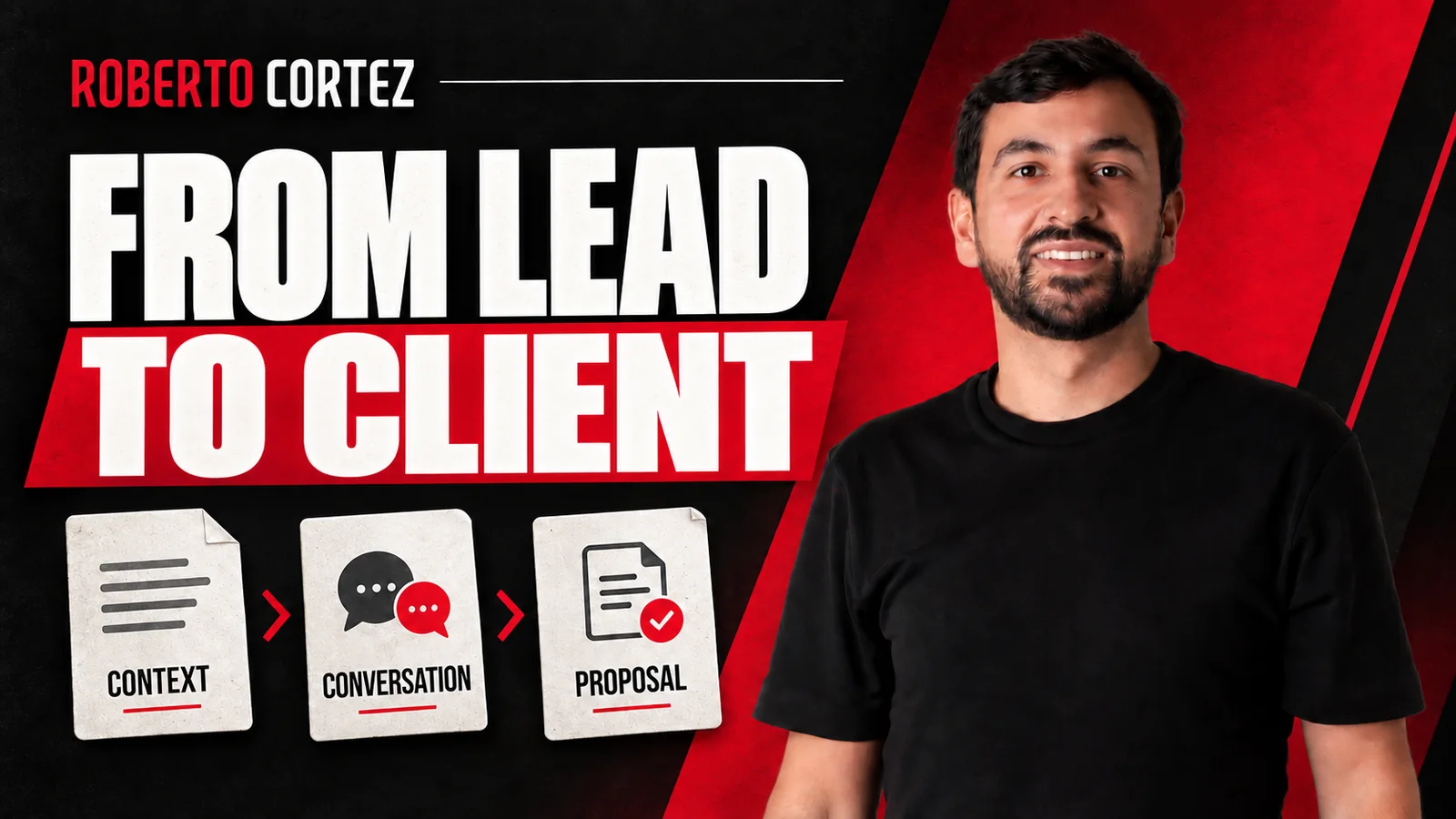
Job titles matter less than what each person does when an enquiry arrives. If nobody confirms the need, everyone wants to present proposals, and nobody follows the project launch, responsibilities remain unresolved even when the team has clearly named roles. I would start by defining those responsibilities before considering new hires.
What should the SDR handle?
The SDR, or sales development representative, checks whether an opportunity justifies a sales conversation. They gather context, clarify the initial need and agree on the next step. Their work is useful when the following meeting has a clear purpose, relevant information and expectations the company can realistically meet through its service.
An enquiry may arrive without explaining the problem, the company's circumstances or who will take part in the decision. The SDR helps fill those gaps without turning the first conversation into an interrogation. They should distinguish a straightforward question, a need that fits the service and a request the company cannot currently handle.
I would not measure this role solely by the number of meetings booked. A calendar full of people with no identified need takes time away from sales and frustrates those who accepted the call. Look also at meetings attended, the suitability of contacts and the reasons opportunities return for clarification.
Turning leads into clients in a service business depends on that initial context. Qualification includes acknowledging missing information instead of filling the record with a certainty that nobody has actually confirmed in the conversation.
To prepare your next step, explore The B2B sales process.
What changes when the closer gets involved?
The closer develops the diagnosis, connects the need with a proposal and helps the potential client decide. They must understand the service, its limits and its delivery conditions. Closing a sale includes confirming the agreement without making commitments that the delivery team does not know about or cannot realistically fulfil.
Imagine, in a hypothetical example, someone asking for a campaign to be ready the following week. The salesperson can understand the urgency and explore alternatives, but needs to confirm materials, access and team availability. Saying everything is possible to avoid an objection transfers a conflict to the start of the project.
Understanding delivery does not require knowing how to perform every technical task. It requires understanding dependencies, asking useful questions and recognising when to involve a specialist. Consulting the team about an exception is different from discovering how the service works during every sales meeting.
The proposal should retain the identified problem, agreed scope and next step. If a condition changed during negotiation, that change must reach the people delivering the work. A signature does not replace this transfer of information between colleagues.
What belongs to client management?
Client management maintains continuity between what was sold and what happens during delivery. It follows expectations, clarifies decisions and directs difficulties to the right people. It can also identify new needs, but an opportunity for an additional sale should never hide an unresolved delivery problem that the client is still experiencing.
Clients need to know whom to contact, how to make a request and when to expect a reply. This does not mean the manager performs every task or responds immediately at any hour. It means they take responsibility for following the issue so the client does not have to find the solution alone.
When the delivery team identifies a missing dependency, client management helps explain it and agree on a solution. When the client expected something different, that expectation should be compared with what was actually sold. The aim is to resolve the difference clearly, without automatically defending one department against another.
This is where client retention in service businesses connects with sales. Continuity requires listening to the client and discussing delivered value, alongside keeping track of renewal dates and the practical arrangements for the relationship.
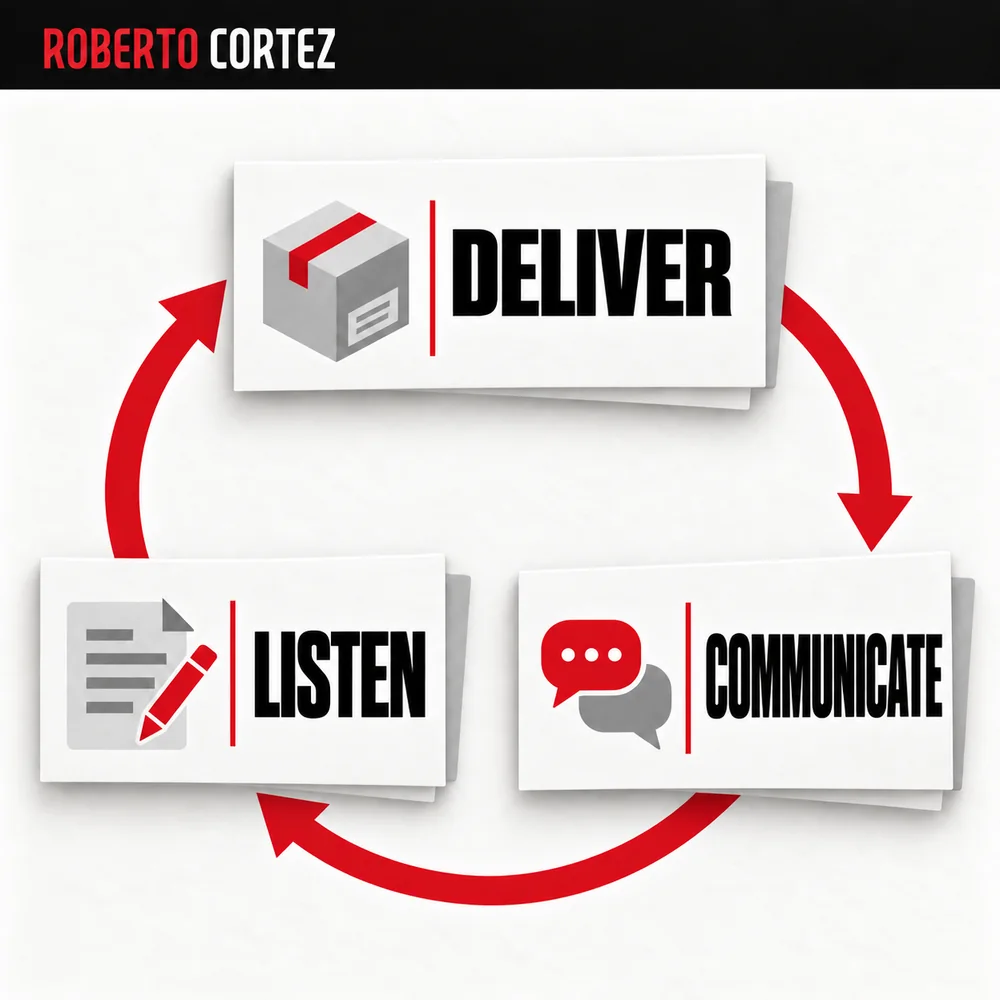
Does a small company need three people?
A small company can give all three functions to one person or distribute them among existing team members. The decision depends on volume, complexity and the failures being observed. Before hiring, identify which responsibility is being neglected and whether enough work exists to support a dedicated person in that role.
A founder might qualify opportunities and sell, while someone else supports existing clients. The opposite arrangement is also possible: someone organises initial enquiries and the founder only joins conversations requiring specific knowledge. These are possible designs for a team, rather than mandatory stages of business growth.
Even when you combine functions, separate the time spent on them. An opportunity that needs a diagnosis should not disappear because you spent the day answering current clients. A client experiencing a delivery problem should not wait indefinitely because every available hour has been reserved for new proposals.
During a normal working period, record where delays and interruptions accumulate. That observation helps distinguish insufficient capacity, unclear criteria and scattered information. Hiring to compensate for a confused process can spread the confusion across more people without resolving the underlying difficulty.
How do you prevent losses between functions?
Each handoff needs an owner, minimum information and confirmation that it has been received. The recipient should understand the need, what has already been discussed and the next action. Previous responsibility ends when continuity actually exists, including a way to return cases that arrived without the information needed to proceed.
When handing over to sales, retain the enquiry's origin, the need described by the contact and any open questions. When handing over to client management, add the accepted proposal, specific commitments, dependencies and people involved. A summary should make reading easier without replacing access to the actual agreement.
Defining responsibilities and approvals during onboarding makes these boundaries more concrete. Knowing who follows the relationship differs from knowing who can approve a service change or commit the team to a delivery date.
Avoid making clients repeat their entire story at each contact. The new person can confirm what they understood and ask what has changed since the earlier conversation. This confirmation protects context and allows a summary that oversimplified the previous discussion to be corrected before work proceeds.
How can you tell whether the division helps?
The division helps when opportunities move forward with context, commitments are realistic and clients know who supports them. Evaluate delays, unsuitable meetings, rework and expectation conflicts across the full relationship. Read results from individual functions together so that people are not rewarded for transferring unresolved problems to the next colleague.
If the SDR books many meetings that sales considers unsuitable, review the criteria against specific cases. If sales grow while complaints accumulate during project launches, compare promises with actual delivery capacity. If client management keeps resolving the same question, that explanation may need to happen before the purchase.
Choose a small change, such as improving the information accompanying an accepted proposal, and observe the following cases. Keep exceptions visible to see whether the rule works beyond the simplest requests. The sales structure should adapt to the work and the client relationship, with responsibilities people can genuinely take on in their daily work.