
Identify the client and purpose before starting
Begin each task by identifying the client, the objective and the materials that may be used. If the team works with several clients, make this confirmation routine. It reduces ambiguity about the context and makes it easier to spot a file, conversation or connection that belongs to a different project from the current one.
I organise projects in their own spaces because I want to know where work is happening. That organisation also helps explain the concrete task to AI. Starting in a general space and expecting it to infer the intention from similar names increases the possibility of working in the wrong context.
Imagine a fictional agency preparing reports for a clinic and a shop. Both might have files called “this month's campaigns”, but their data, objectives and recipients differ. The filename alone is insufficient to determine which file belongs in the analysis currently being prepared for delivery to a client.
Use a clear project identifier and confirm where materials came from before supplying them. Record the period and type of work too, because the same client can have several activities running simultaneously. A commercial proposal and a performance report do not need to receive exactly the same information.
When giving AI context deliberately, distinguish common team information from client-specific information. A blank report template may be reusable. A completed report already carries results, decisions and conditions that require a different assessment before being copied into another project or shared with another recipient.
When a task changes clients, move deliberately into the correct context. Do not continue a conversation full of previous references merely because staying there feels quicker. The habit of confirming the project prevents the next piece of work from inheriting instructions and data that no longer belong to its purpose.
To prepare your next step, explore Artificial intelligence in customer service.
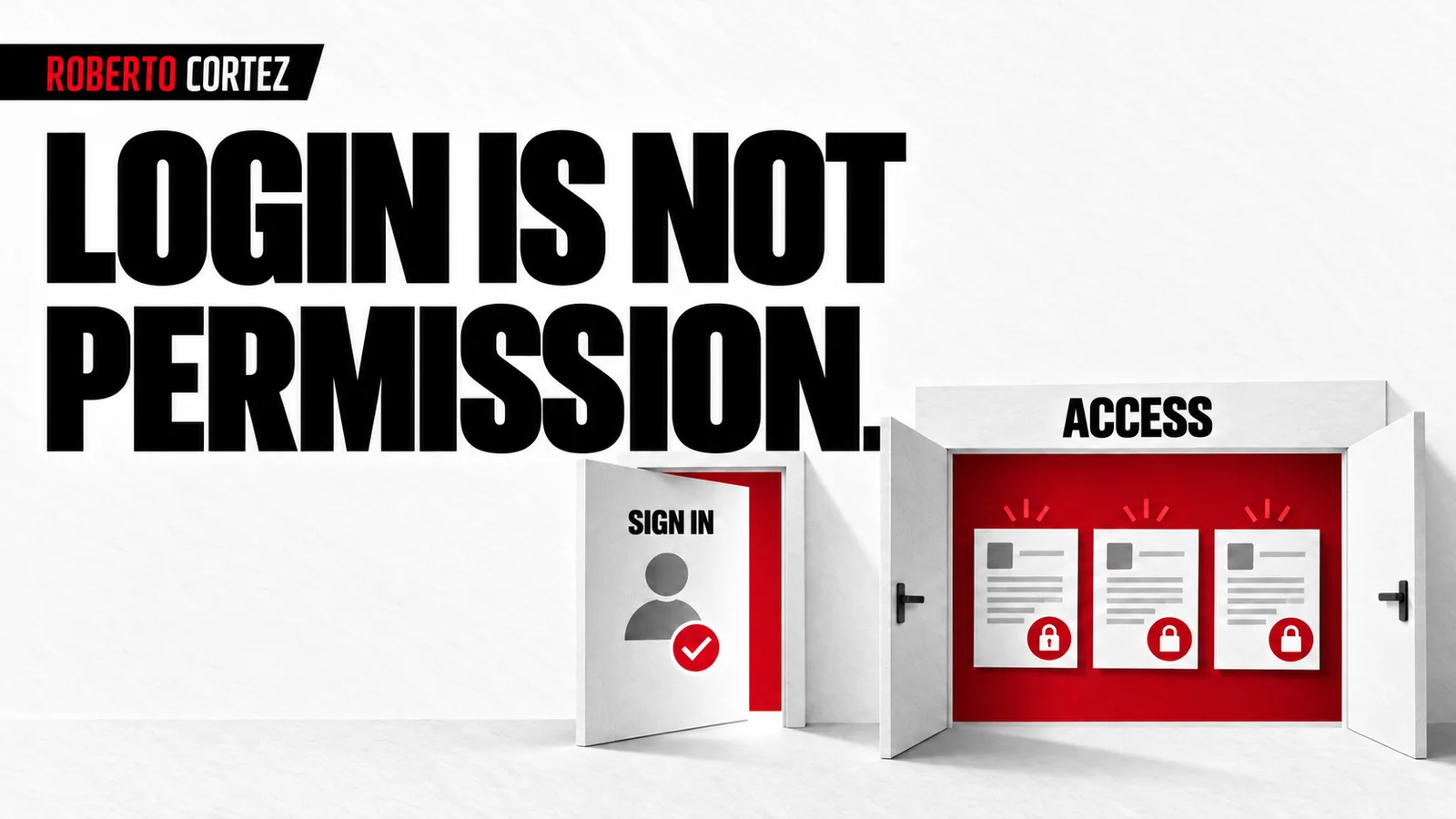
Treat organisation and permissions as different decisions
A folder for each client makes work clearer, but does not prove the tool is prevented from consulting other folders. Confirm the access the user and integrations actually possess. Organisation should match the authorised scope, and any uncertainty about that match needs resolving before restricted information is introduced into the process or supplied to the assistant.
Grant only necessary access and verify authorisation for each operation on a resource. In an application, these checks should happen in the system serving the data. A written instruction telling AI not to consult another client does not replace the control that actually prevents such access from taking place.
For the hypothetical agency, one person may legitimately work with both clients. That does not make combining their data appropriate for every task that person performs. What to use in a report still depends on the recipient and purpose, even when the person can open both archives without difficulty.
Make a simple inventory of available inputs: uploaded files, system connections, conversation history and materials shared by the team. What is visible in the current folder may represent only part of the accessible context. Ask the technical owner to confirm the actual boundaries of the configuration being used.
This distinction belongs in planning an application before coding begins. Define who can consult each information type and who can change or share results. The specification should make those decisions testable instead of leaving them as a vague intention to “keep everything separate” somewhere in the project brief.
When a task requires combining information from different clients, treat that need as a separate request. Explain which data is necessary, for what purpose and who can receive the result. Do not turn an occasional comparison into permanent authorisation to aggregate all company materials within the same working context.
Reuse methods without carrying client information across
Separate the working method from data used in a particular execution. You can save an analysis structure, a question set or a blank template, provided you remove specific information that should not circulate. Review reusable material as a new deliverable, because references to clients may remain inside its examples, comments and attached documents or images.
In the fictional report, the sequence “objective, data, interpretation and next step” can serve several projects. The explanation for a fall in sales belongs to the case analysed. Copying the structure differs from copying the conclusions, even if you replace the company name at the beginning of the document.
Check hidden tables, notes and captions when preparing a template from an earlier delivery. A name removed from the title may remain in a screenshot or a team observation. Review the file that will actually be shared, rather than only the part currently visible inside the document editor.
To teach a criterion, it is often enough to construct a fictional example and label it accordingly. Preserve the difficulty you want to illustrate without carrying a client's real data across. Avoid combining details so specific that the case remains recognisable even after names are replaced with letters or numbers.
When preparing advertising data for AI, ask which fields are necessary to answer the question. An aggregate performance analysis may not need individual contact details. Removing elements with no use for the task simplifies review and reduces the information that needs to accompany the work through the process.
Keep the structure's origin and the decision to make it reusable in the internal record. This helps somebody else distinguish an approved template from a client deliverable copied for convenience. The shared method should evolve through explicit criteria, without automatically absorbing every detail from each project the team completes.
Review outputs, recipients and project closure
Before sharing a result, confirm the client, the materials used, the names present and who will receive the file. Review attachments and links as well as the main text. When work ends or the team changes, also review access and materials that remain available in that project's working context to the people involved.
Look for signs of mixing that a superficial reading can miss. A report might name the correct client on its cover but mention another client's offer in the body. A recommendation might assume a budget from an earlier conversation. These errors require returning to the source, rather than simply replacing words in the result.
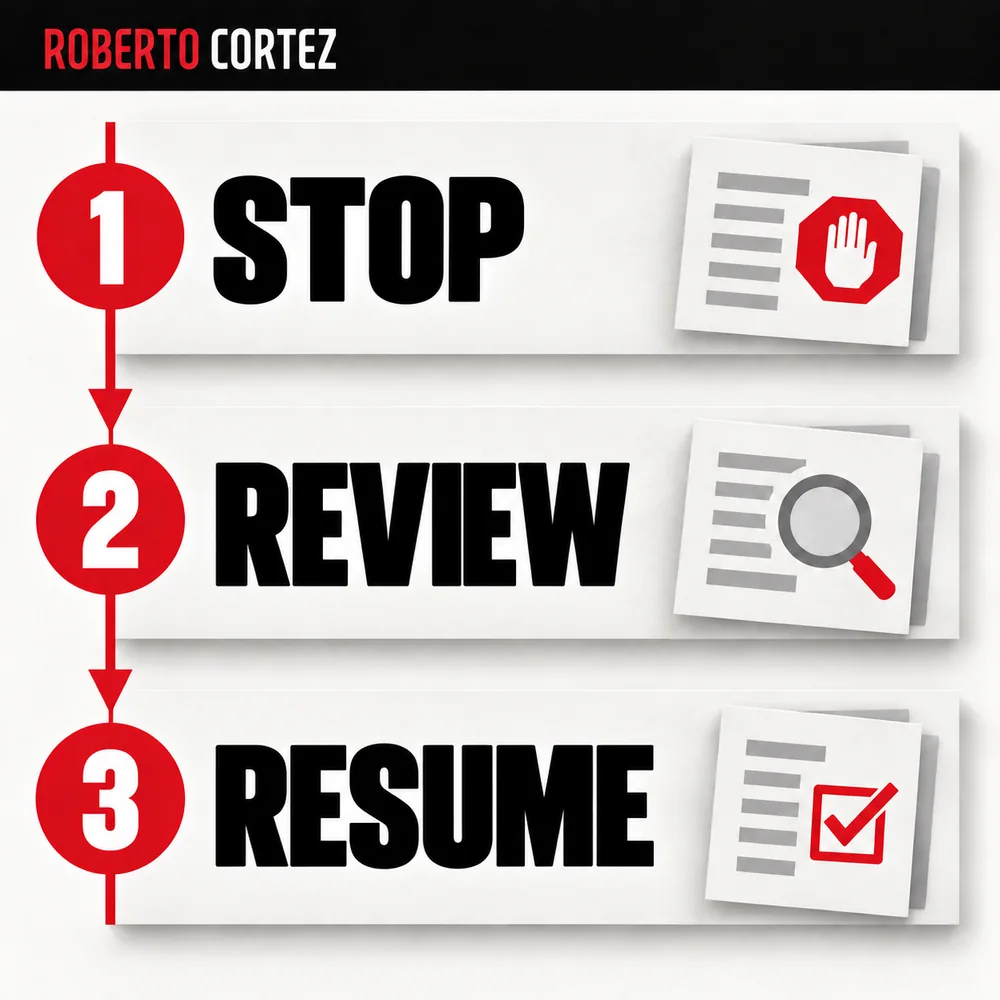
If you find information outside the scope, pause sharing and clarify how it entered the document. Identify the affected materials and involve the person responsible for the process. Correcting only the final sentence may leave the same source available to contaminate the next task performed in that context.
Maintain a delivery record that identifies the version and recipient. You do not need to copy sensitive data into that record: a reference to the file and project may suffice. The purpose is to verify what left the team and avoid sending an old version or an attachment from previous work.
When someone stops working with a client, the team should review permissions associated with their role. The same applies to tool connections that are no longer necessary. Assign responsibility for that review so the original organisation does not disappear gradually as projects grow and the people involved change.
Separating client data is a daily practice of defining scope, controlling access and checking deliveries. AI enters that process with the same boundaries the team needs to respect. Clearer boundaries make it easier to understand when a result is ready to leave the internal working context and reach its intended recipient.