
Prepare the transcript as a record to verify
Confirm that you have the correct meeting transcript, with its date, participants and project identification. Use only material permitted in that context and limit the necessary access. Before summarising, review passages containing names, numbers, negatives or speaker changes, because an error in any of those points can alter the conversation's meaning for the commercial process.
A transcript helps recover information that would be difficult to remember after several meetings. It remains a representation of the conversation, however, and can contain errors. Whoever prepares the proposal needs to be able to return to the relevant passage when a sentence seems incomplete or unusually definitive.
Imagine a fictional meeting about a training project. The client says they “cannot confirm the team before Friday”, but the transcript drops the negative. If that sentence passes without review, the summary may turn a dependency into a commitment to confirm that the person never actually made during the conversation.
Identify statements from the person selling too. A suggestion made by the salesperson is not automatically a need expressed by the client. If AI merges all speech into one unattributed summary, it may present the proposed solution as the original request, changing the foundation on which the proposal is prepared.
When giving AI context without collecting information indiscriminately, explain the transcript's role. It helps recover evidence from the conversation and organise subsequent work. Instructions should prevent the assistant from filling gaps with prices, dates or features merely because they seem plausible for that particular project.
Keep timestamps or other locators for important points in the internal record. You do not need to send the entire transcript to the whole team. The reviewer should have the access needed to confirm a statement while respecting the purpose and access boundaries defined for the meeting materials.
To prepare your next step, explore CRM integration with artificial intelligence.
Extract needs without inventing decisions
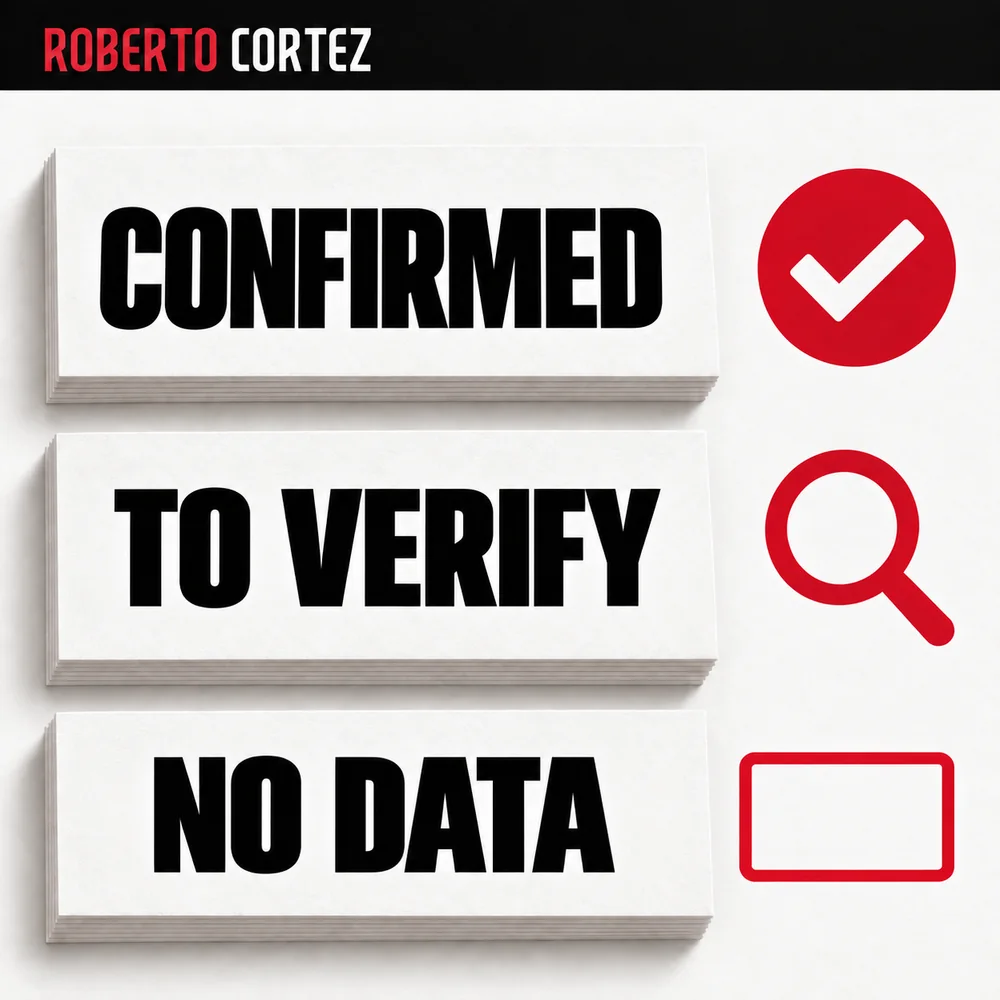
Request a summary separating expressed needs, contextual facts, decisions taken and open questions. For each important point, require a reference to the supporting passage. If meaning depends on interpretation, mark that condition and preserve the uncertainty instead of presenting a commercial conclusion as though everyone attending the conversation had already agreed to it without qualification.
In the training example, the client may say the team takes too long to prepare proposals. That describes a difficulty. It does not by itself confirm a wish to buy a particular course or replace the working system. Link the solution to the need while showing where the seller's recommendation begins.
Distinguish interest from authorisation. “It could make sense” expresses a possibility; “send a proposal for us to assess” defines a next step; accepting a proposal is another decision. Reducing everything to “interested client” loses the information needed to know what to do and what still needs confirmation.
The same applies to resources. Mentioning a possible budget does not necessarily mean a budget has been approved. A desired date is not confirmed availability. Ask the assistant to preserve the conditions used in the conversation and flag dependencies that need resolving before the team assumes a commitment.
This distinction matters when establishing what to know about a client before accepting a project. The meeting can reveal objectives, expectations and internal capacity. The summary should show what remains unknown too, so the proposal does not try to replace an unresolved business decision with more text.
Avoid attributing emotions the person never expressed. A price question may be a legitimate request for information rather than an objection or mistrust. Record the question and prepare an appropriate answer; if you explore a hypothesis about the underlying concern, keep it labelled as something still to clarify.
Prepare the proposal and next contact from the summary
Turn the reviewed summary into preparation for the next contact, with an objective, missing questions and elements the proposal needs to address. Select points relevant to that commercial stage. Recovering the whole conversation does not mean repeating it in the proposal or using every personal detail as an argument to persuade the client to proceed.
In the fictional project, the proposal can explain how the work addresses slow proposal preparation. It needs to specify the scope and conditions of the service that can actually be delivered. Mentioning a difficulty does not authorise promising that it will be completely resolved within an invented deadline.
Use the client's language where it helps represent the need faithfully. If you include a quotation, check the words and context before presenting it as verbatim speech. Often a careful paraphrase conveys the idea better than an isolated sentence stripped of the qualification that followed it during the meeting.
Prepare a few questions that change the next decision. Clarifying who validates the proposal or which team participates may be more useful than another lengthy summary. Avoid asking again for information already provided, because that signals inattention and wastes the review work already completed on the conversation.
To turn more enquiries into clients in a service business, follow-up needs continuity. Whoever resumes the conversation should understand where it stopped and why the next step matters. The transcript can support that handover without replacing commercial judgement about whether the solution genuinely fits the client's needs.
Review the draft message before sending it. Check that it does not say “as agreed” about something only suggested or present a date as settled when validation was pending. Precise language avoids creating an expectation that later needs correcting during the negotiation or after the client receives the proposal.
Put only reviewed, useful information into the CRM
Record relevant facts, the opportunity's status and the confirmed next step in the CRM, with an owner and deadline where these exist. Keep AI drafts separate from team-validated records. If a point remains uncertain, preserve that status and the question needed to resolve it rather than filling the field merely to make the record look complete.
A useful note lets another person continue without reinterpreting the entire meeting. It might identify the expressed need, outstanding condition and agreed action. Avoid fields filled with generic text that looks informative but does not help choose the next contact or prepare an answer to the client's request.
Do not copy the full transcript into every field or system for convenience. Define where the source material stays and which summary accompanies the opportunity. That makes context easier to keep current and reduces circulation of details irrelevant to somebody who only needs to perform the next commercial step.
When another meeting occurs, identify what changed. A later decision can replace an earlier hypothesis, but the history should make that evolution understandable. Do not rewrite the past as though the current condition had been confirmed at first contact, especially when the team must explain a proposal change.
Assess the process using fictional examples containing negatives, unaccepted proposals and different speakers. Check whether the assistant preserves those distinctions after instruction changes. The test should consider fidelity of the record alongside the clarity and speed with which the summary was produced, rather than treating a polished summary as sufficient.
A transcript gains value when it helps the team listen, prepare and continue the conversation accurately. AI can organise the material, but the team must confirm the commitments entering commercial work. The useful result is a next action grounded in what happened, with remaining uncertainties still visible so they can be resolved.